Ripple and Strategy Say XRP and Bitcoin Remain Safe
Ripple points to earlier court and regulatory clarity around XRP, while Strategy says the failed CLARITY Act changes nothing about Bitcoin’s legal status in the US.
Key Takeaways
- Ripple says the failed CLARITY Act changes nothing about XRP’s legal position in the United States.
- A judge ruled in 2023 that XRP sales on exchanges were not securities trading, while institutional sales did violate the law.
- Strategy says Bitcoin has had legal and regulatory clarity for years, and the rejected bill does nothing to change that.
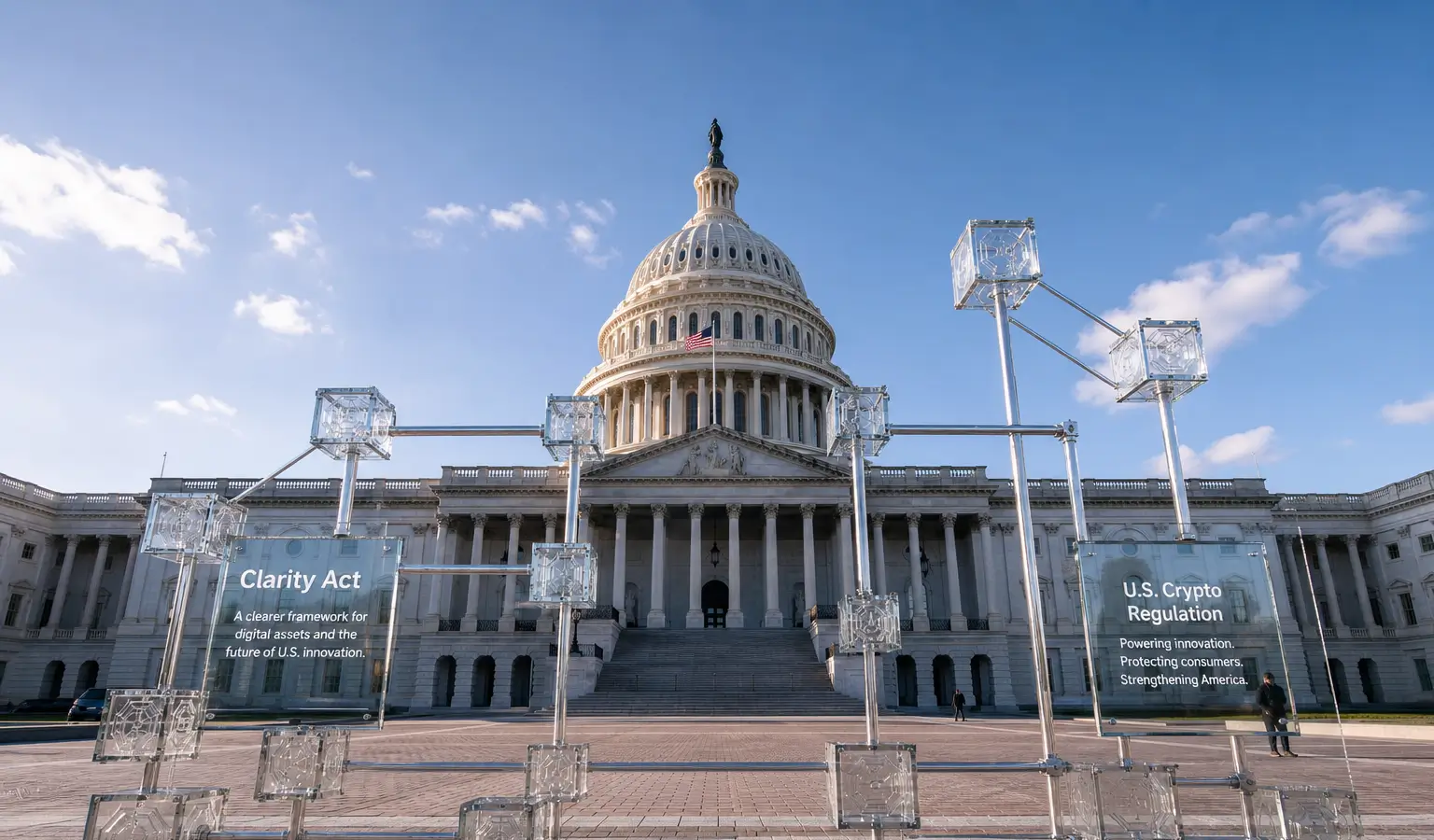
Ripple and Strategy told investors that nothing has changed legally for XRP and Bitcoin (BTC) after the US Senate blocked the CLARITY Act on Tuesday. The bill was supposed to lock in the rules for the crypto market in the United States under federal law, but it failed to get the required support. The vote ended 49 to 50, while 60 votes were needed.
XRP Leans on Earlier Rulings
Ripple chief legal officer Stuart Alderoty pointed to two earlier developments that, in his view, had already brought clarity to XRP. In 2023, a federal judge ruled that XRP sales on exchanges were not securities trading. That same judge did find that Ripple violated the securities law when it sold to institutional buyers.
Another step came in March. The SEC and the CFTC then called XRP a digital commodity in a joint interpretation. That put XRP in the same legal bucket as Bitcoin, Ethereum, Cardano, and Dogecoin, among others. For Ripple, that matters because it has already partly defined the debate over XRP’s status in the US.
Bitcoin Remains Familiar Ground, According to Strategy
Strategy, the company formerly known as MicroStrategy, said the same thing about Bitcoin. The company holds 845,050 BTC, bought for a total of $63.73 billion (€55.2 billion). That works out to $75,412 (€65,400) per coin. After the vote, Bitcoin traded around $76,206, putting the position about 1% above cost.
The company said Bitcoin has had legal and regulatory clarity in the US for years. In its view, the failed bill was a setback for the industry, but not a direct change to BTC’s status.
Why This Matters for European Readers
The failure of the CLARITY Act shows that US crypto regulation still has not been locked into one broad law. That matters for European readers because the US still plays a major role in listings, institutional demand, and how big crypto companies set up their legal structure. For projects like XRP, existing court and regulatory clarity may matter more for now than a bill that did not pass. The broader political fight over the bill has also been visible for some time: the Senate vote had already shown how fragile support for the bill was.