Robinhood Secures UK Crypto Registration Ahead of New FCA Rules
The registration shows Robinhood UK already meets the UK’s anti-money laundering standards, ahead of the FCA’s crypto authorization process set to begin later this year.
Key Takeaways
- Robinhood’s UK arm has been on the FCA’s list of registered cryptoasset firms since July 31.
- The registration confirms that the company meets the UK’s anti-money laundering requirements for crypto activity.
- The FCA will open the authorization process for crypto firms on September 30, ahead of the new framework in October 2027.
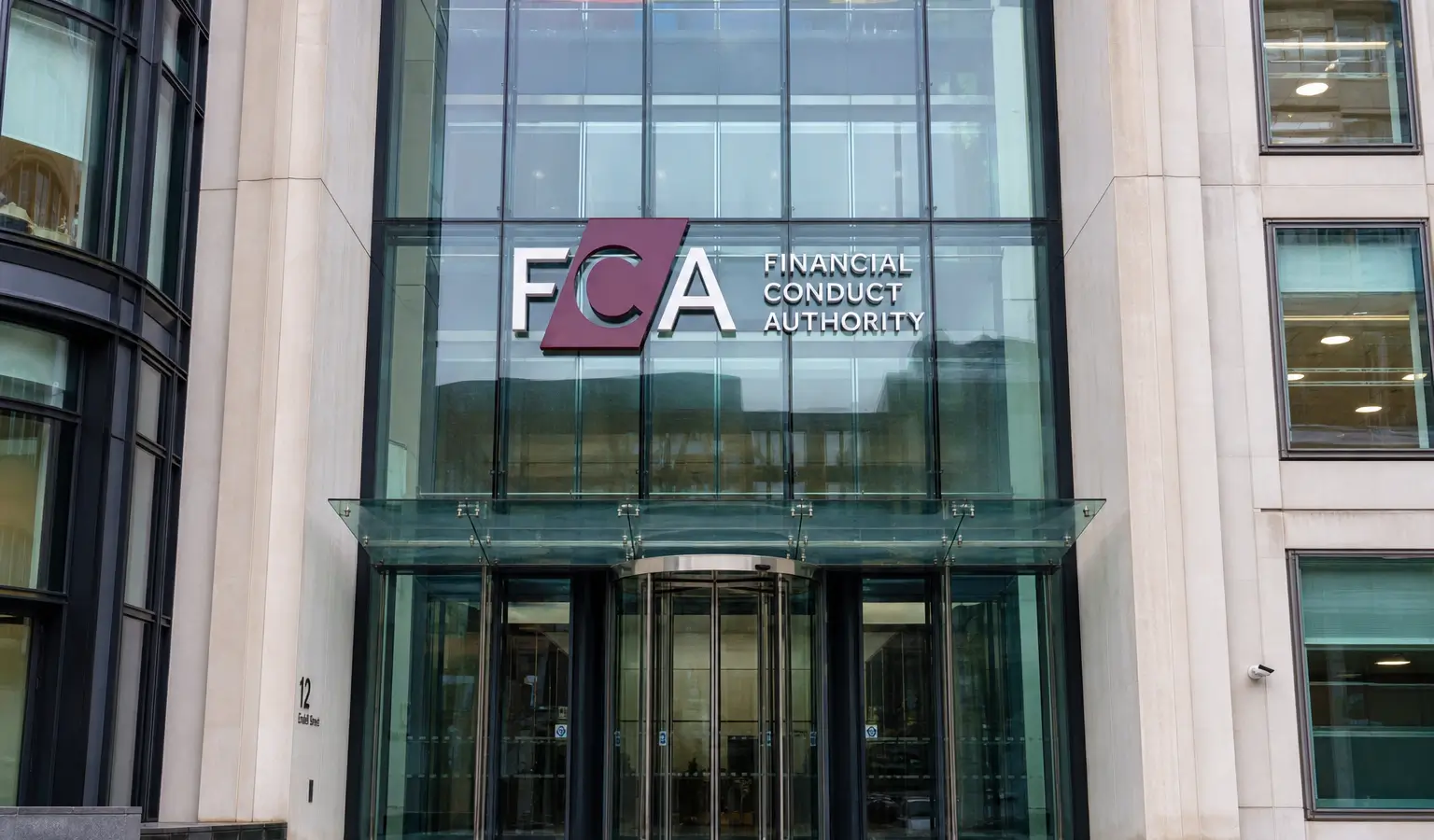
Robinhood has cleared another regulatory step in the UK for its crypto business. The company’s UK arm is now listed on the FCA list of registered cryptoasset firms, with the registration taking effect on July 31. It confirms that Robinhood UK meets the country’s anti-money laundering rules for crypto activity.
Registration Under Existing Rules
This registration is notable because the FCA has already had a separate crypto regime in place since 2020. So far, more than 50 firms have been approved under it, including Ripple and Kraken, along with traditional financial names such as BlackRock and BNY.
For Robinhood, the listing suggests it has already made it through part of the UK compliance and oversight process. That could make the next phase easier to navigate than it will be for companies that are starting from scratch.
New Licensing Round Is Coming
The timing is important. The FCA will begin accepting crypto firm authorization applications on September 30 and will keep that window open until February 28 next year, ahead of the full rollout of the new framework in October 2027. Under the Financial Services and Markets Act 2000, firms will need FCA authorization to operate in the UK with cryptoassets.
The short application window means firms with an existing registration may already have a head start. Even though final authorization is still a separate requirement, being on the FCA list likely means some of the groundwork is already done.
Why This Matters for Europe
For crypto readers in Europe, the move is a reminder that a national registration can quickly become a useful foothold in a larger market. The UK is moving toward a tighter, more formal crypto framework, and firms that already meet AML standards may be better placed for the next round of licensing.