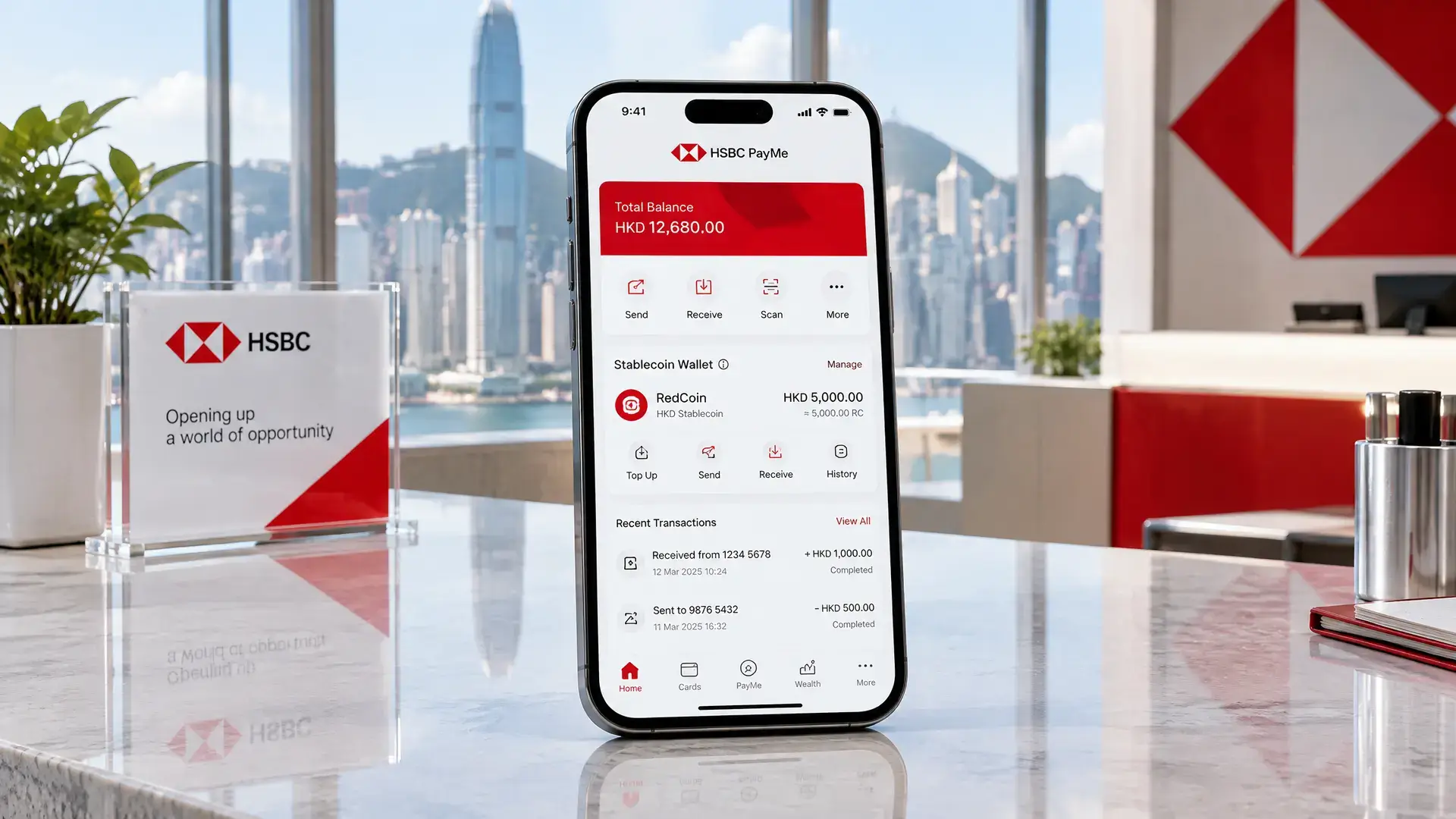
Robinhood Wallet and Fomo Sidestep Card Rules on Memecoin Buys
Memecoins are paid for through Apple Pay and Google Pay as digital goods, while Bitcoin and Ethereum require a different route. That puts Visa and Mastercard codes, KYC, and rewards under pressure.
Key Takeaways
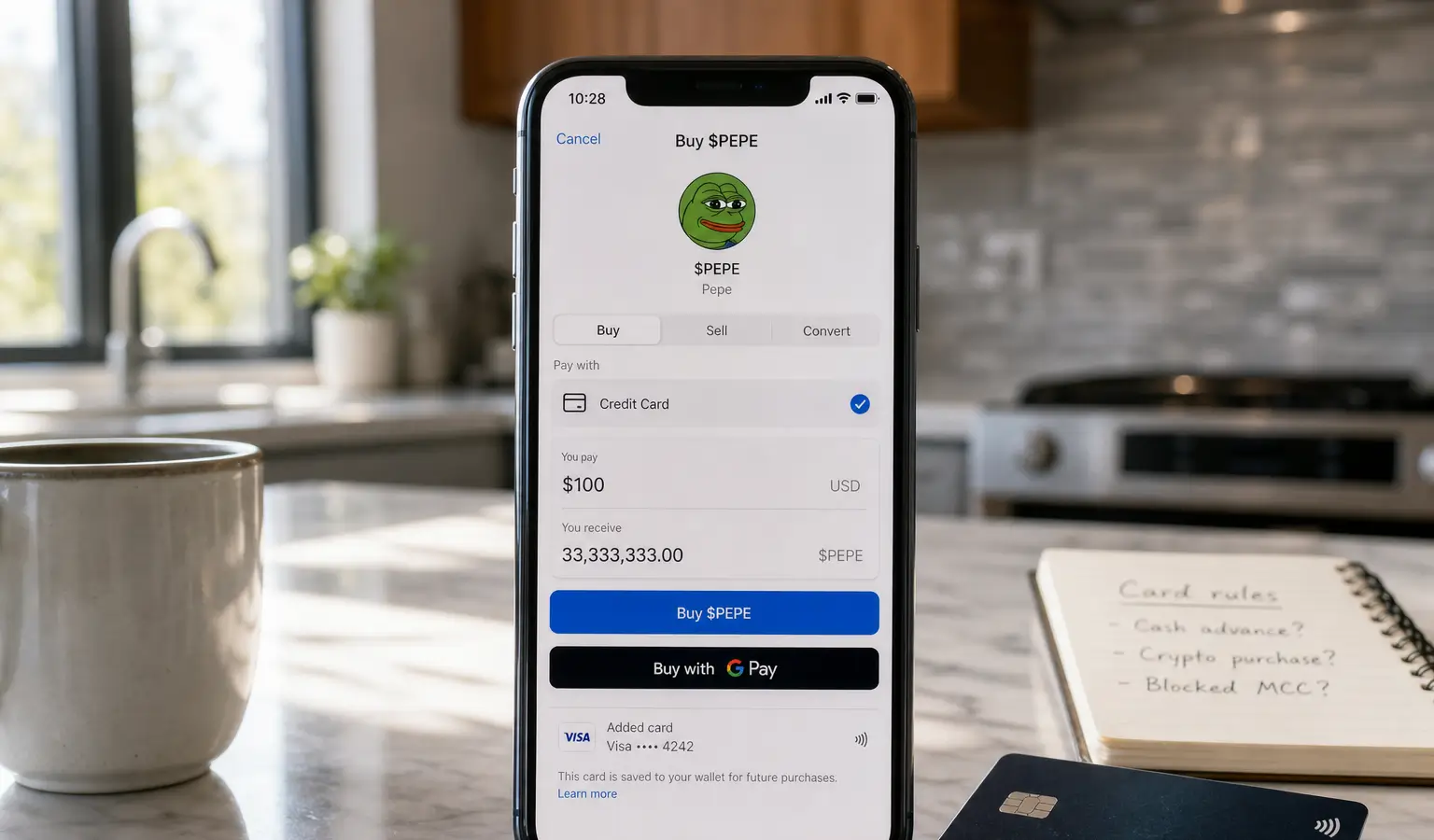
- Fomo and Robinhood Wallet let users pay directly with a credit card for memecoins like WIF through Apple Pay or Google Pay.
- For Bitcoin and Ethereum, users first have to take a different route, such as using an external wallet or swapping into USDC.
- The Block saw transactions coded as MCC 5815, while banks and card networks are questioning the right classification.
Fomo and Robinhood Wallet let users pay for memecoins like WIF with a credit card through Apple Pay or Google Pay, while the same apps require a different route first for Bitcoin and Ethereum. The transactions appear to fall outside the usual crypto codes used by Visa and Mastercard, and that raises questions about card rules, rewards, and KYC checks.
How the Checkout Works
When buying Bitcoin or Ethereum on Fomo, users have to move crypto from an external wallet or first buy USDC with a debit card and then swap it. Robinhood Wallet works mostly the same way, although users in some countries can also link a Robinhood account or buy through onramp provider Sardine. Memecoins work differently: there, users can pay directly with a credit card without filling out a KYC form.
That checkout is provided by Crossmint, a crypto company that builds the payment into the app. According to Crossmint, the product is set up so the payment runs smoothly through Apple Pay or Google Pay, while the token appears directly in the app wallet. Crossmint also says AML monitoring takes place through a separate fraud team.
Card Codes Under Fire
The Block tested WIF purchases on both Visa and Mastercard and saw that the transactions were coded as MCC 5815, a code for digital goods like books, movies, digital art, or music. That stands out because direct crypto purchases are supposed to fall under different codes on card networks, such as MCC 6012 or 6051. MCC 6051 stands for quasi-cash and is usually treated as a cash advance, with higher fees and interest than a regular purchase.
Chase told The Block that it sees the code used as incorrect and is opening a case with Visa. The bank also pointed out that the Visa transaction did not have a special crypto indicator. Crossmint says the classification was coordinated with relevant parties and fits digital collectibles. Visa and Mastercard did not want to confirm the specific classification.
Why This Matters
For European crypto followers, this matters mainly because it shows how quickly the line between crypto, collectibles, and payments is blurring. Crossmint also received approval from Banco de España as a payment institution in July 2026, which shows the company wants to operate within a tighter regulatory framework. At the same time, this case makes it clear that card networks, banks, and crypto apps can still think very differently about what a memecoin actually is, legally and technically.
Fomo said Crossmint accounts for about 7% of inflows. Robinhood and Fomo referred questions to Crossmint for details. In the US, the New York attorney general's office is also looking into the issue, while Chase does not pay rewards on crypto purchases under its own rules. Meanwhile, Robinhood is also trying to get more room for digital assets elsewhere; for example, the company is pushing for rules for tokenized stocks in the US.