Robinhood Pushes for Tokenized Stocks Rules in the U.S.
Robinhood points to tokenization as a new kind of market infrastructure, with 24/7 trading and faster settlement. In the U.S., securities laws and shareholder rights remain the biggest hurdle.
Key Takeaways
- Robinhood CEO Vlad Tenev is pushing for looser U.S. rules for tokenized stocks and warns that otherwise the U.S. will hand over market infrastructure.
- Robinhood already offers tokenized U.S. stocks in more than 120 countries, with economic exposure to more than 190 U.S. stocks and dividend payouts.
- In the U.S., regulation remains the biggest hurdle, despite developments at Nasdaq and the NYSE around blockchain settlement and 24/7 trading.
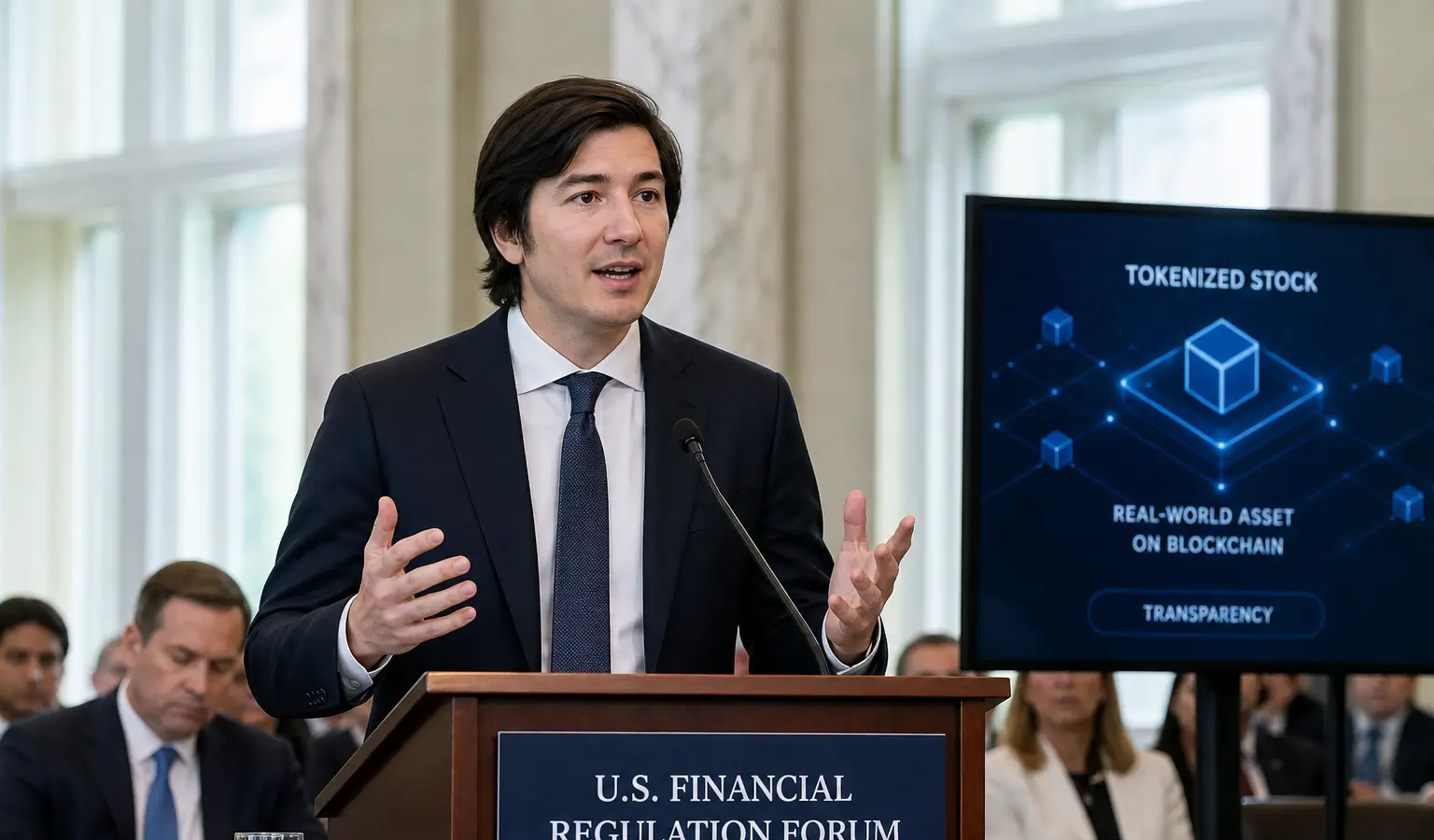
Robinhood CEO Vlad Tenev is putting U.S. regulators under pressure to give tokenized stocks more room. According to him, the U.S. risks handing the next generation of market infrastructure over to foreign markets, while Robinhood is already active outside the country with tokenized U.S. stocks.
Tokenization as Market Infrastructure
Tenev describes tokenization as more than a technical gimmick. In a post on X, he called it the current phase of a global "tokenization supercycle," building on his earlier view that the technology could become a "freight train" that fundamentally changes traditional finance.
Robinhood now offers tokenized U.S. stocks in more than 120 countries. Users get economic exposure to more than 190 U.S. stocks, including dividend payouts. The tokenized shares are backed 1:1 by the underlying stocks, but holders do not directly own those shares. That distinction is exactly what sits at the center of the debate over what tokenized equities legally and economically really represent.
Tenev says the real value is in the infrastructure underneath. According to him, tokenized assets can trade 24 hours a day, settle in real time, and move between compatible wallets and platforms without the transfer processes used by traditional brokers.
Why the U.S. Is Falling Behind
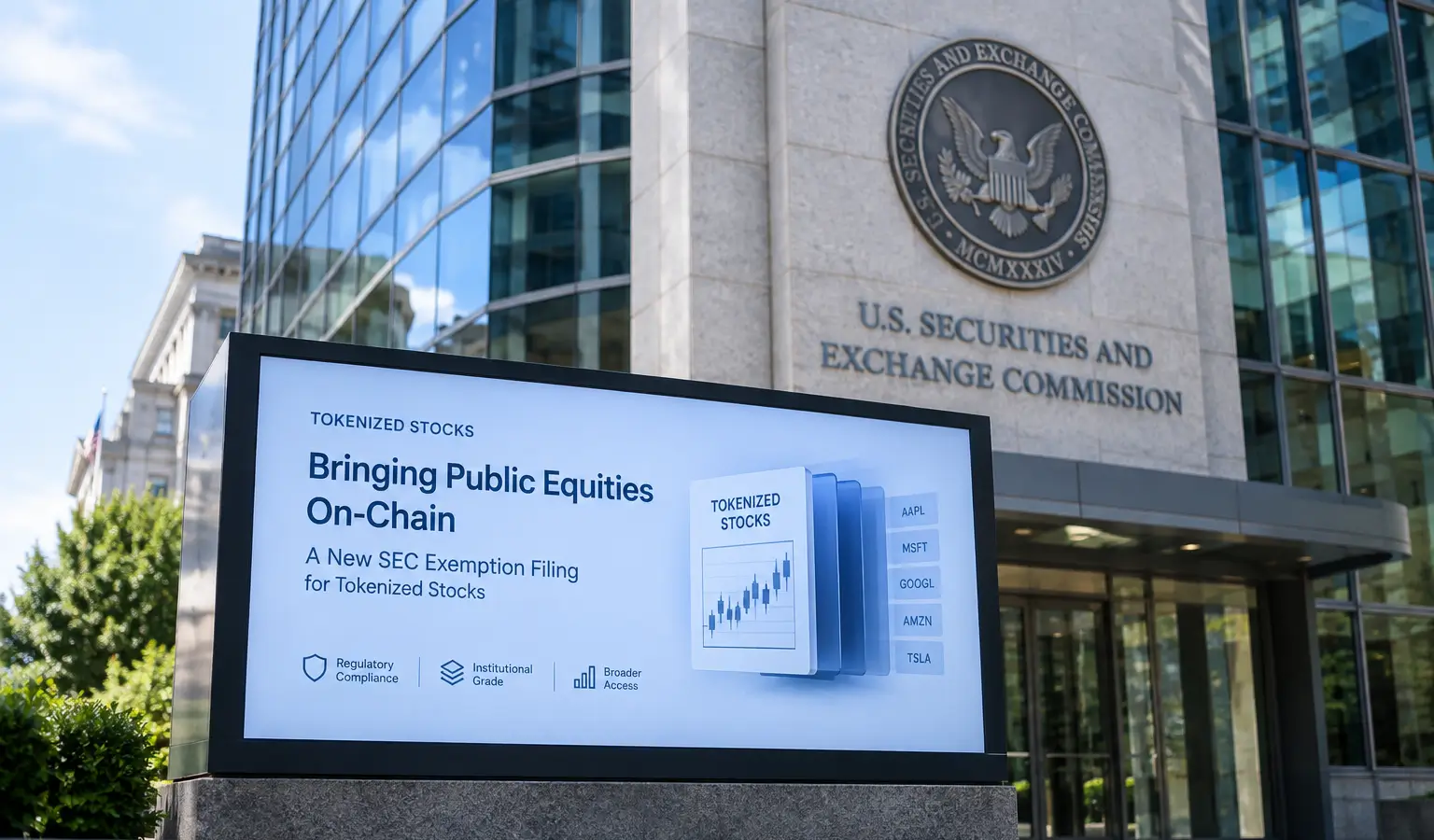
The debate ties into a broader shift in market structure. Sector developments show that tokenized equities in the U.S. are no longer just in pilot form: Nasdaq got the green light to let some tokenized stocks settle on a blockchain, and the NYSE is working on a platform for 24/7 trading in tokenized stocks and ETFs. That moves the debate from experiments to live infrastructure, even though issues like corporate actions, entitlements, reference data, and settlement remain difficult in an environment that can run continuously across multiple venues.
For Tenev, settlement is the strongest argument. He pointed to the GameStop rally in 2021, when Robinhood restricted buying in some stocks after collateral demands from clearinghouses rose. According to him, that shows how legacy settlement infrastructure can add extra pressure to the system during stressful moments. Since then, U.S. settlement has been shortened from T+2 to T+1, but Tenev says tokenization could cut that delay even further.
Regulation Still Holds Things Back
In the U.S., regulation remains the biggest hurdle. Securities laws set requirements for trading, custody, clearing, and shareholder rights, and putting an asset on a blockchain does not remove those obligations. Tenev did say he expects future tokenized equities could include traditional shareholder rights, if the rules allow it.
Robinhood is already testing the model outside the U.S., but for American investors the market is still mostly closed. Tenev also mentioned broader uses, such as private companies and real estate, although for now that remains a vision for the next phase of tokenization.
For European crypto and market watchers, this matters because tokenized stocks are making the line between crypto infrastructure and traditional securities markets increasingly blurry. If major U.S. players and regulators further legitimize that direction, it could also affect how exchanges, brokers, and crypto platforms in Europe structure their offerings and custody setups.