OKXICE Reports Tokenized Stock Plan to the SEC
The platform is meant to trade tokenized U.S. stocks on-chain, even outside market hours. The SEC rule and ICE’s role make the U.S. path for tokenization more concrete.
Key Takeaways
- OKXICE has filed a tokenized stock trading platform with the U.S. SEC.
- The plan focuses on more than 60 U.S.-listed companies and is meant to make trading possible outside market hours.
- The SEC rule leaves room for tokenized stocks, but the launch still depends on objection and approval steps.
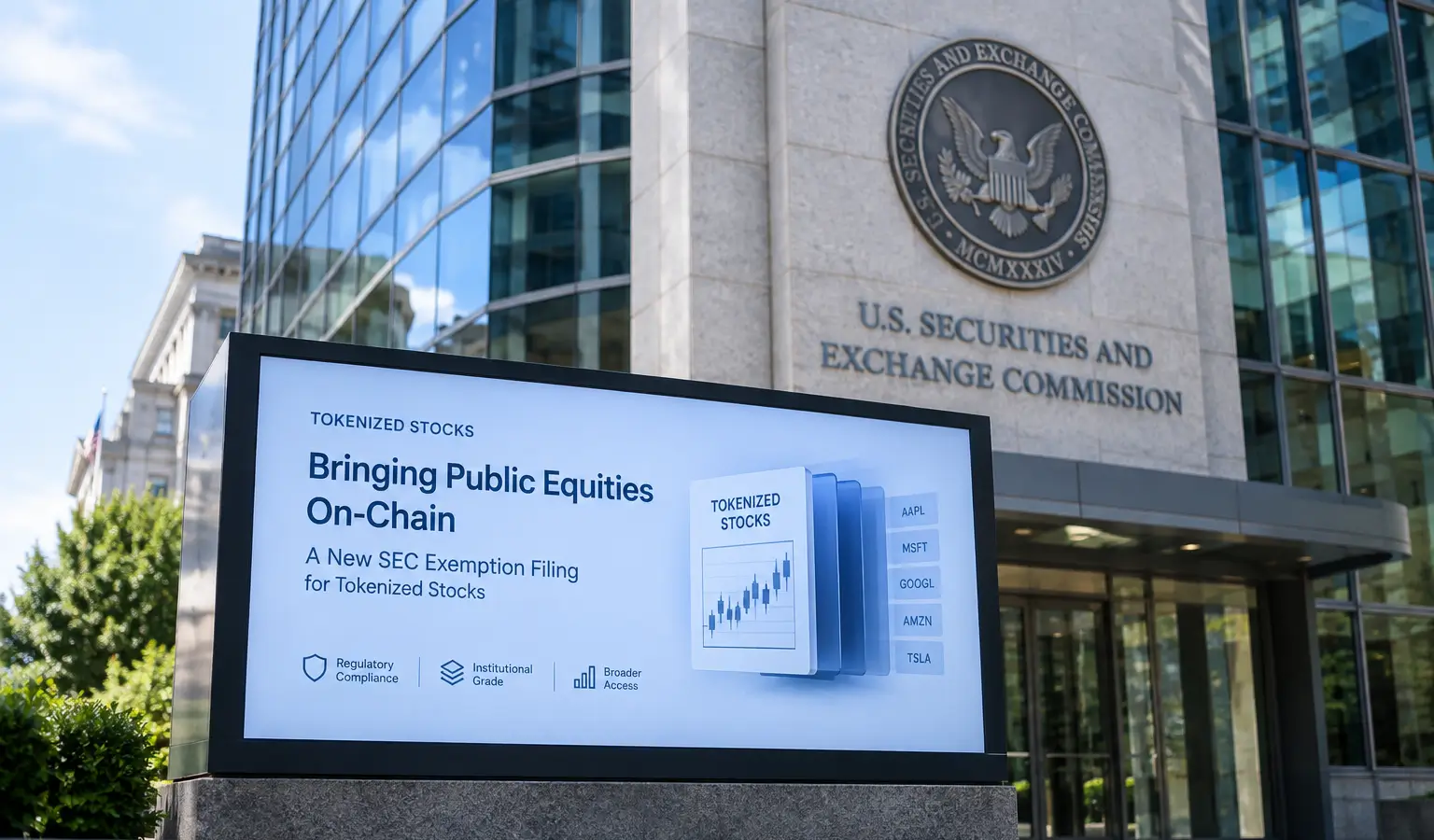
OKXICE, the joint venture between crypto exchange OKX and ICE, has filed with the U.S. SEC to launch a trading platform for tokenized stocks. The plan focuses on more than 60 companies listed on U.S. exchanges and is meant to make trading in these stocks possible outside normal market hours.
SEC Opens a New Route
The move follows the Innovation Exemption that the SEC introduced on September 17. This temporary rule runs for five years and gives qualified platforms room to trade tokenized U.S. stocks on-chain with permissioned automated market makers and liquidity pools. According to the regulator, there are clear conditions attached, so investors stay better protected and market integrity is not lost.
Tokenized stocks are digital versions of regular shares that live on a blockchain. In practice, that means they can be settled faster than traditional stocks and trading is no longer tied to exchange opening hours. The shares still have to keep the same rights as regular stock, including dividends and voting rights.
Why This Stands Out
ICE’s involvement, the parent company of the New York Stock Exchange, shows that tokenization is moving further into the traditional market. Crypto exchanges have offered tokenized U.S. stocks for a while, but usually only to customers outside the United States. According to the source, OKX already has more than 70 such tickers, but they fall under offshore rules and are not available to U.S. investors.
For European crypto followers, the big point is that a regulated U.S. route is now becoming more concrete. That could show how far the sector has already come in linking blockchain to classic stock trading, even though the real launch still depends on the 30-day objection period and other steps from the regulator.
The new route builds on the SEC route for tokenized stocks, which earlier opened a five-year exemption for blockchain venues. Other players are also trying to take advantage of that: Robinhood is pushing for rules on tokenized stocks in the U.S. and wants to make 24/7 trading and faster settlement possible.
Timing Is Still Open
OKX and ICE set up their joint venture in June to build infrastructure for tokenized financial products. It is still not known exactly when the new trading platform can go live. The SEC first has to move the process forward, and companies whose shares are tokenized still get 30 days to object.