SBI Buys Stake in Ajaib for JPYSC Expansion in Asia
With Ajaib, SBI gets access to Indonesia’s retail market, while the Japanese conglomerate rolls out its yen stablecoin JPYSC and digital asset infrastructure across ASEAN.
Key Takeaways
- SBI Holdings wants to take a $270 million stake in Ajaib Group to roll out JPYSC in Southeast Asia.
- Ajaib gives SBI access to Indonesia, a retail investing market with more than 20 million individual investors.
- SBI is expanding in the region through earlier investments in Coinhako and DigiFT for digital asset infrastructure.
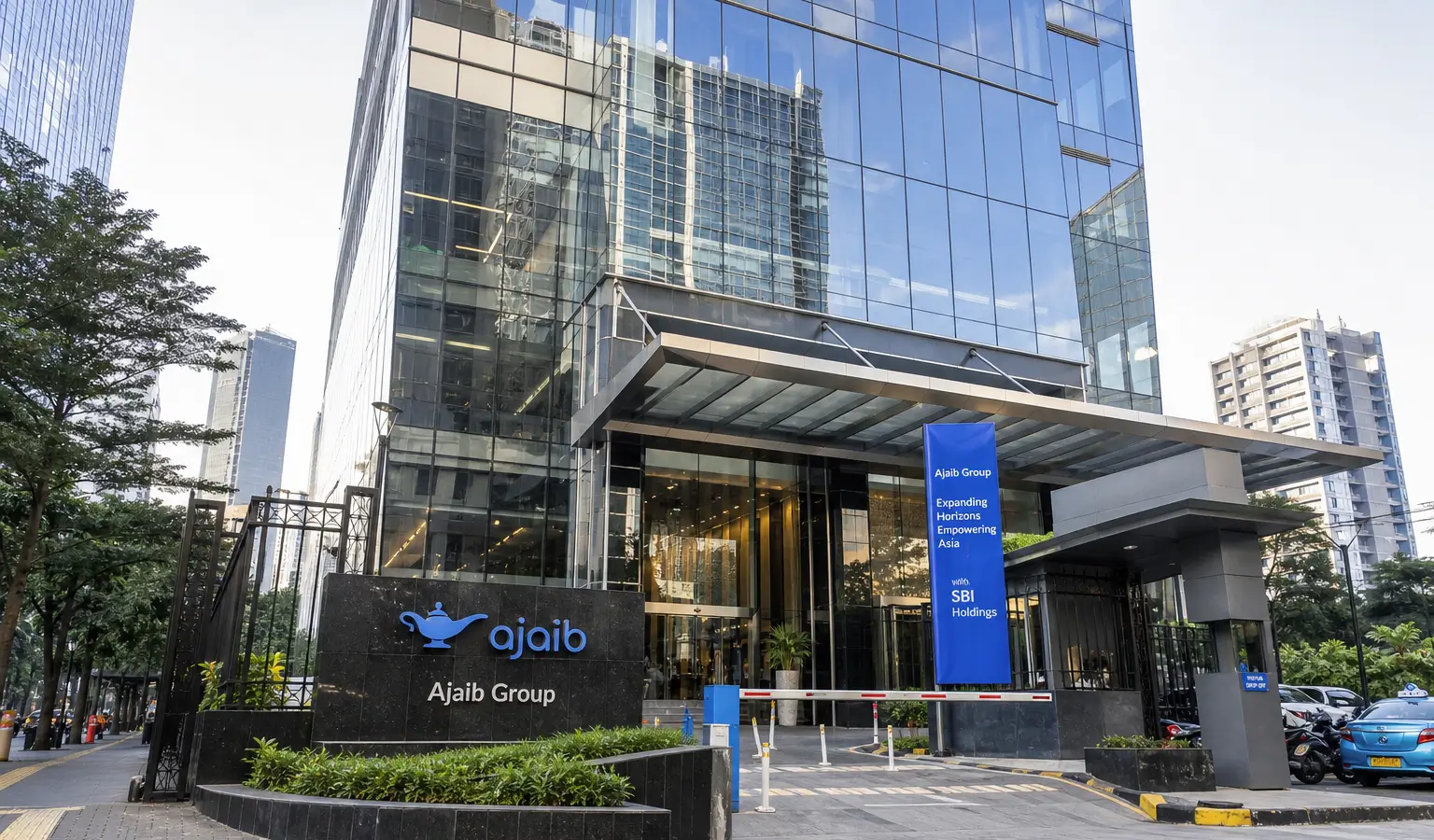
SBI Holdings wants to take a $270 million (€232 million) stake in Indonesian Ajaib Group, marking a new step in its plan to roll out the yen stablecoin JPYSC in Southeast Asia. The deal is expected to be wrapped up before the end of this month and gives SBI direct access to a large retail market in Indonesia.
Ajaib as a Gateway
Ajaib is a major online broker in Indonesia and offers brokerage, forex margin trading, crypto, and wealth management there, among other services. For SBI, that is interesting because according to the market data cited, Indonesia is a consumer market of about $375 billion and one of the largest retail investing markets in ASEAN, with more than 20 million individual investors.
SBI CEO Yoshitaka Kitao said that in the era of tokenization, the need for global digital asset infrastructure is greater than ever. The Japanese conglomerate wants to build that infrastructure not only through Ajaib, but also through earlier moves in the region. In Japan, the practical use of yen stablecoins is also growing, such as with AZ-COM Maruwa will use Japanese stablecoin JPYC.
Regional Expansion Accelerates
The investment in Ajaib follows SBI's purchase of Coinhako Group, a crypto exchange in Singapore, for about $100 million (€85.9 million) in July. SBI also previously invested in DigiFT, a Singapore-based trading venue for digital securities, and the two companies set up a joint venture together.
According to SBI, this is helping it build a regional network of regulated crypto and digital securities infrastructure in Southeast Asia. In the long run, that network is supposed to support cross-border stablecoin payments and trading in tokenized assets.
Japanese Market Helps Out
The broader shift in Japan toward digital assets is also part of SBI's strategy. The Japanese government is working on blockchain infrastructure for stocks and government bonds, with 24/7 onchain settlement and operations that could start in the early 2030s.
Tokyo has also further adjusted its crypto rules, including treating crypto assets differently as financial instruments and lowering the capital gains tax. For SBI, that creates a more favorable environment to keep expanding its digital asset plans, although the exact setup still differs by market and product.