Trump Puts CLARITY Act Behind in the Senate
Trump’s pressure on the Senate is pushing the CLARITY Act, the U.S. crypto market structure bill, even further down the line. The timing clashes with the summer schedule and the debate over ethics around crypto income.
Key Takeaways
- Trump is refusing to sign the housing bill until the Senate takes up his election reform plan.
- That puts the CLARITY Act, the main U.S. crypto market structure bill, under even more time pressure.
- The Senate still needs 60 votes to end debate, while political divisions and ethics concerns are slowing things down.
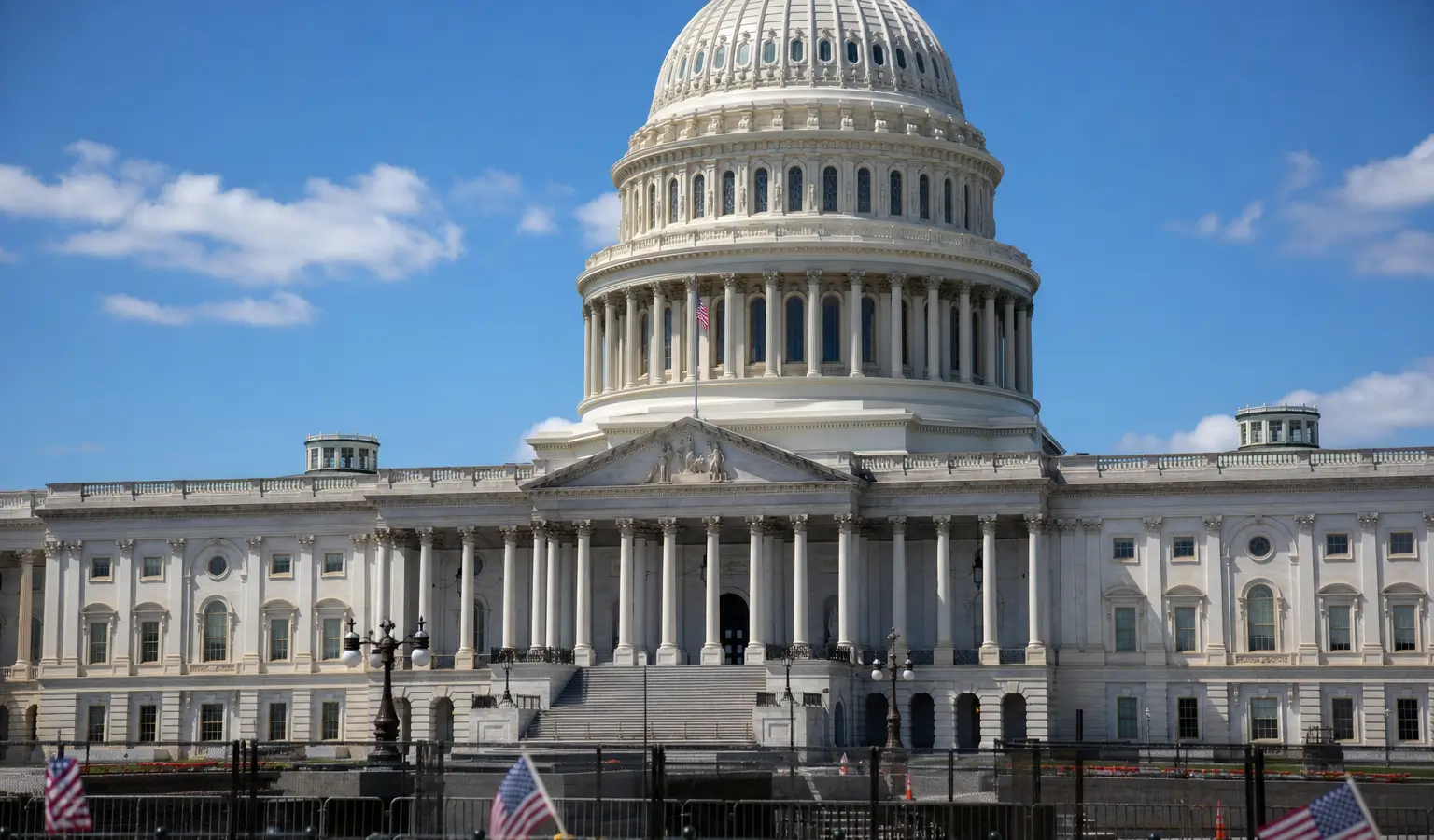
President Donald Trump says he will not sign a bipartisan housing bill unless the Senate first moves on his election reform plan. That leaves the CLARITY Act, the main crypto market structure bill in the U.S., facing even more pressure at a time when lawmakers already have very little room left on the calendar.
The timing is especially awkward for the crypto industry. By putting the SAVE America Act at the front of the line, Trump is forcing crypto legislation to compete for the limited floor time senators have before their August summer recess. That makes it more likely that debate on the Clarity Act gets delayed once again.
Housing Bill as Leverage
Trump scrapped the planned signing ceremony for the 21st Century ROAD to Housing Act, even though the bill cleared both chambers in June with strong bipartisan backing. In a post on Truth Social, he said he would not sign the housing bill because, in his view, the Senate has failed to pass the SAVE America Act.
The housing bill will still become law once the 10-day deadline expires, so Trump’s move is more of a political pressure play than an actual veto. For senators, though, it adds another layer of urgency. When lawmakers return from recess on July 13, they will have only about three work weeks left before the August 8 break.
CLARITY Is Still Waiting
The Digital Asset Market Clarity Act passed the House in July 2025 by a vote of 294 to 134, and the Senate Banking Committee approved a revised version in May by 15 to 9. Since then, it has remained on the Senate calendar without a floor vote.
To end debate, the bill needs 60 votes in the Senate. With Republicans holding 53 seats, at least seven Democratic votes are required, and that is where the process is stalling. Senator Elizabeth Warren wants the president, lawmakers, and their families to stop making money from crypto while the rules are being written, a position that makes compromise even harder.
The political pressure around the bill has intensified after Trump disclosed more than $1 billion (€0.9 billion) in crypto income in his latest financial filing, mostly tied to his crypto ventures such as World Liberty Financial and the $TRUMP meme coin. Republicans say the bill is ready for debate, while Senator Bernie Moreno urged Democrats to vote yes.
Why This Matters
For European crypto watchers, the stakes are clear. The CLARITY Act is meant to give the U.S. a more defined framework for crypto and tokens. It has already been revised several times and won broad support in the House, but the Senate keeps getting slowed by competing political priorities and arguments over ethics and stablecoin yields. That makes the outcome important for anyone tracking how the U.S. plans to shape crypto market structure.