Connecticut Sues Kalshi in New Prediction Markets Lawsuit
Connecticut wants to force Kalshi to stop sports event contracts. The case adds pressure on prediction markets, where the CFTC and several courts are also clashing.
Key Takeaways
- Connecticut has sued Kalshi again and wants the earlier ban on sports betting in the state to be enforced.
- Kalshi says Connecticut is treating the company selectively, while other prediction markets are still allowed to operate, according to the platform.
- The case fits into a broader U.S. fight over prediction markets, where judges and regulators still have not drawn a clear line.
Connecticut has taken Kalshi back to court in the growing fight over prediction markets in the U.S.. That puts fresh pressure on a sector that is fighting to keep operating in multiple states and courts at the same time.
Connecticut Takes a New Step
The state had already been in a dispute with Kalshi for some time. Late last year, Connecticut ordered the crypto company to shut down its sports betting because the state said that activity violates gambling rules. Kalshi challenged that order and initially lost, but then appealed to the Second Circuit Court of Appeals.
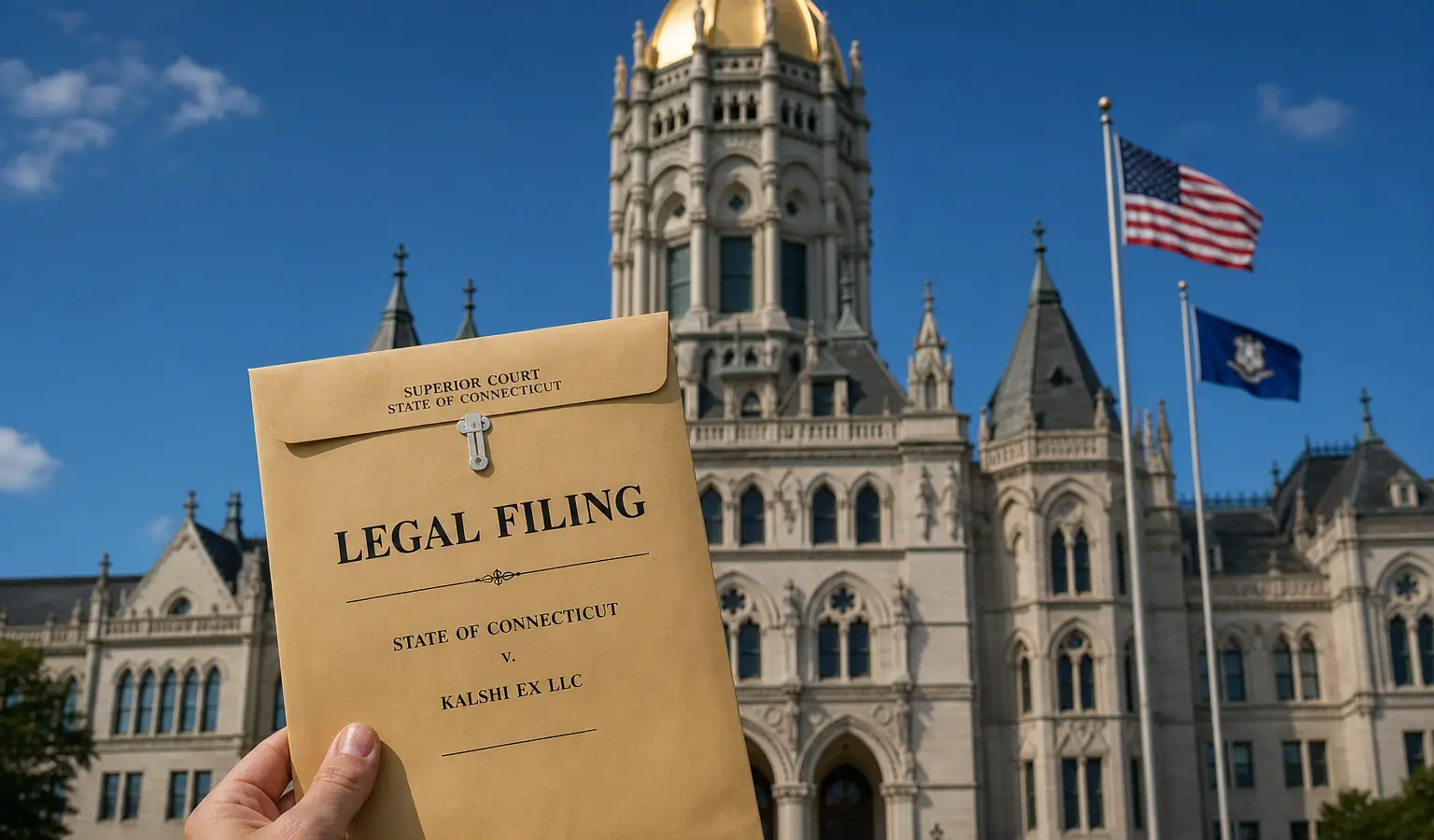
Now Connecticut is pushing the case further by suing Kalshi itself. The state is asking the judge to actually enforce the order to stop sports betting in Connecticut. According to attorney general William Tong, sports event contracts are no different from sports betting and do not suddenly fall outside the state’s consumer rules.
Kalshi says the opposite, arguing that Connecticut is singling out the company. According to the platform, other prediction markets are still allowed to operate in the state for now. The company calls that inconsistent and sees it as proof that the debate is not only about consumer protection.
Judges Are Not Giving a Clear Picture
The Connecticut case is not happening in isolation. Other states have already seen different outcomes. In April, the Third Circuit Court of Appeals blocked New Jersey’s ban on Kalshi, while a federal judge in Arizona paused criminal action against the company. At the same time, Kalshi had to cut off customers in some states while the legal fight continues.
The regulator is also playing a role. The Commodity Futures Trading Commission has backed Kalshi and says event contracts are federally regulated investment instruments. According to the CFTC, states cannot simply block those activities when federal rules already apply. Kalshi is registered in the U.S. as a Designated Contract Market, which gives the platform room to offer event contracts on topics like sports and politics.
The broader legal pressure on prediction markets has been visible for some time. In other states and with other regulators, Kalshi has also faced pushback before, such as in the case about Kalshi Clashes With States as CFTC Prepares New Rules.
Why This Matters for Europe
For European crypto followers, this case is mainly relevant because it shows how quickly new market models run into existing rules. Prediction markets sit right at the intersection of crypto, derivatives, and gambling, and that makes the legal line especially sensitive. If the U.S. courts eventually provide more clarity, that could also help shape how regulators elsewhere look at this kind of platform.