Kalshi Loses Nevada Case Over Prediction Markets
The Ninth Circuit leaves room for Nevada to regulate Kalshi’s sports contracts. The clash with the CFTC raises the odds of a Supreme Court ruling.
Key Takeaways
- A federal appeals court ruled that Nevada may still be allowed to enforce rules around Kalshi’s sports contracts.
- The Ninth Circuit said these contracts are likely sports bets, not swaps under U.S. commodities law.
- Conflicting rulings between federal courts are increasing the chances that the U.S. Supreme Court will take up the case.
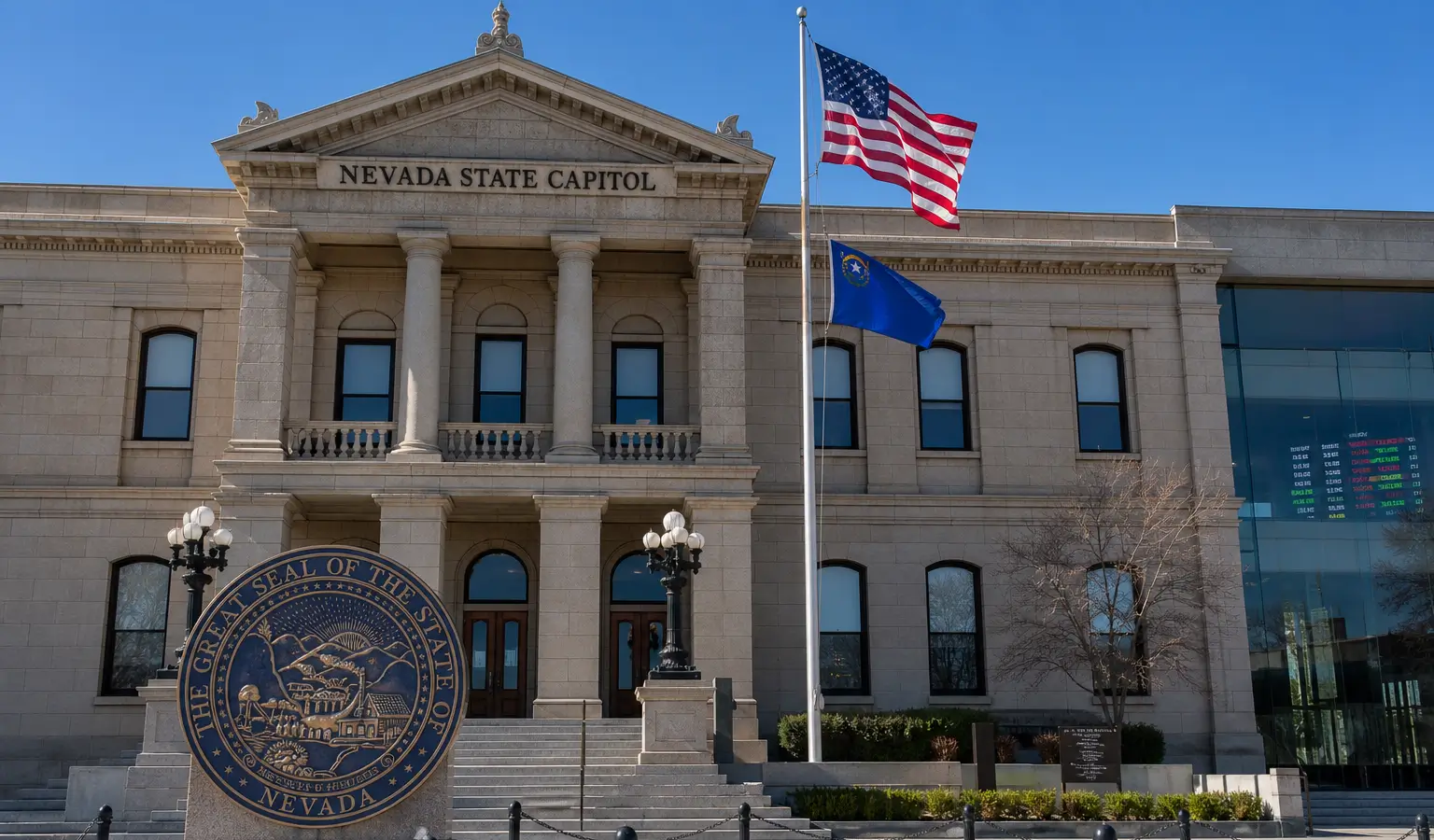
Kalshi took a legal hit in the United States in the fight over prediction markets. A federal appeals court ruled Friday that Nevada may still be allowed to enforce rules around the platform’s sports contracts, despite Kalshi’s federal license.
Court Sees Room for Nevada
The panel of the Ninth Circuit Court of Appeals unanimously rejected Kalshi’s argument that Nevada has no role in overseeing its activities. According to the judges, the Commodity Exchange Act probably does not block the state’s gambling rules for these sports contracts. The court also said the contracts are not swaps under U.S. commodities law, but sports bets.
That ruling matters because Kalshi operates as a CFTC-regulated Designated Contract Market. That federal framework gives the company permission to list certain contracts, but according to Nevada, sports contracts still fall under the state’s gambling laws. Kalshi had already pulled out of Nevada and some other jurisdictions after local orders.
Clash Between Courts
The case does not stand alone. In April, another federal court reached the opposite conclusion when New Jersey was not allowed to oversee Kalshi. These conflicting rulings create a circuit split, making it more likely that the U.S. Supreme Court will eventually have to weigh in on the core question.
The CFTC is also getting involved in the debate. A spokesperson said the Ninth Circuit is reading the law incorrectly, according to the regulator, and that a derivatives contract set up as a swap remains a swap, no matter what the underlying subject is. Kalshi itself said the court is instead siding with the Third Circuit on a fundamental point, namely that federal law limits states from regulating trading on a federally licensed exchange.
Why This Matters
For European crypto readers, this case shows how quickly the line between trading and gambling can come under debate in the United States. Prediction markets touch on the same issues around oversight, product definition, and market access that also come up around other crypto platforms. That makes the outcome relevant for anyone following U.S. regulation of new trading products.
The legal pressure on Kalshi is meanwhile continuing to build. In a separate case, Connecticut is trying to go after Kalshi again to have its sports contracts treated under the state gambling law.