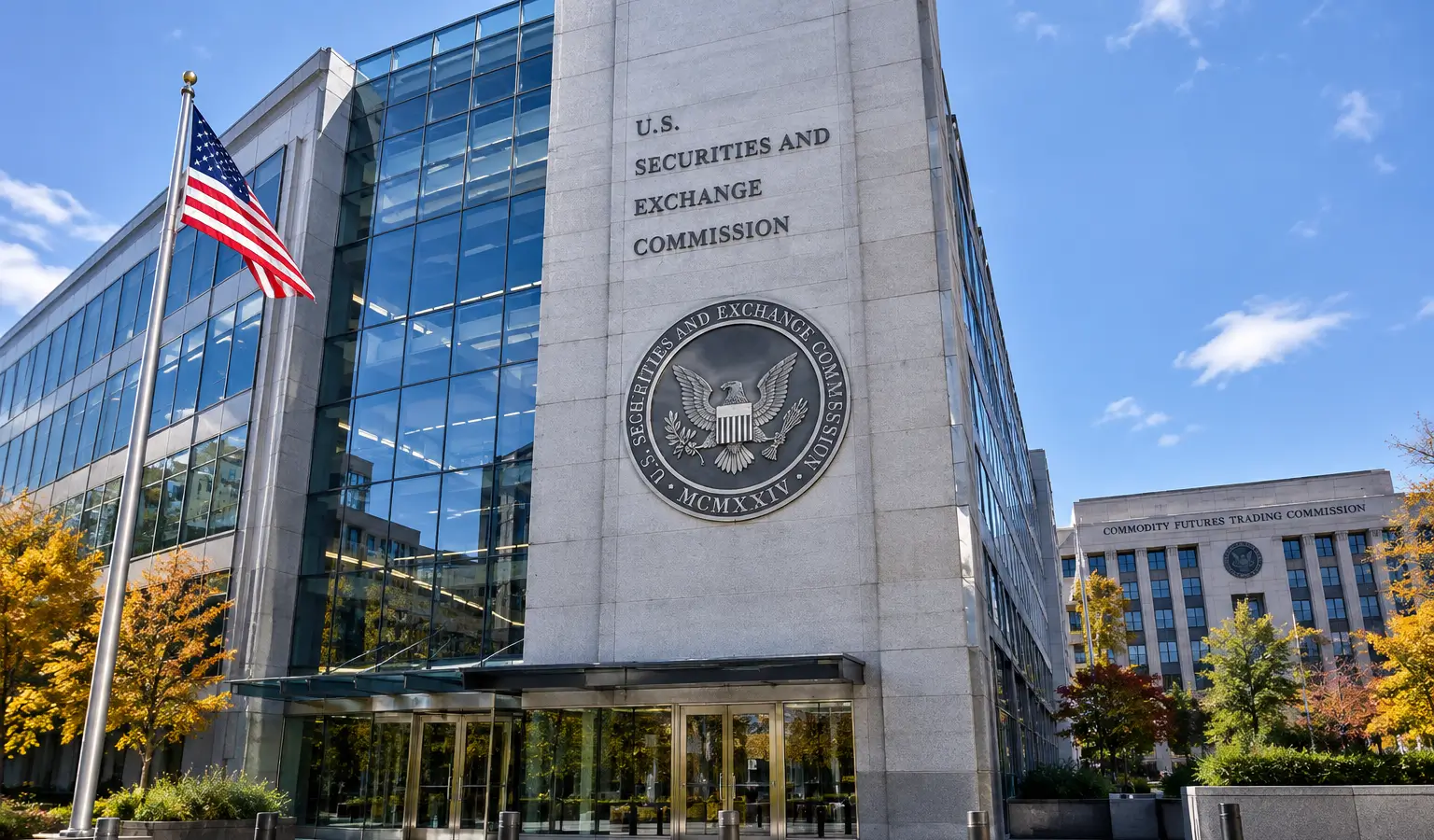
SEC Looks to Expand Access to Private Markets With Exam
The SEC is exploring a test for access to private funds and companies, with FINRA as the operator. The plan also touches the debate over retail access to private markets and crypto companies like Coinbase.
Key Takeaways
- The SEC is exploring an exam that would let Americans age 18 and up access private companies and private funds.
- FINRA would build the test; it would take about two hours, include around 75 multiple-choice questions, and likely cost about $100.
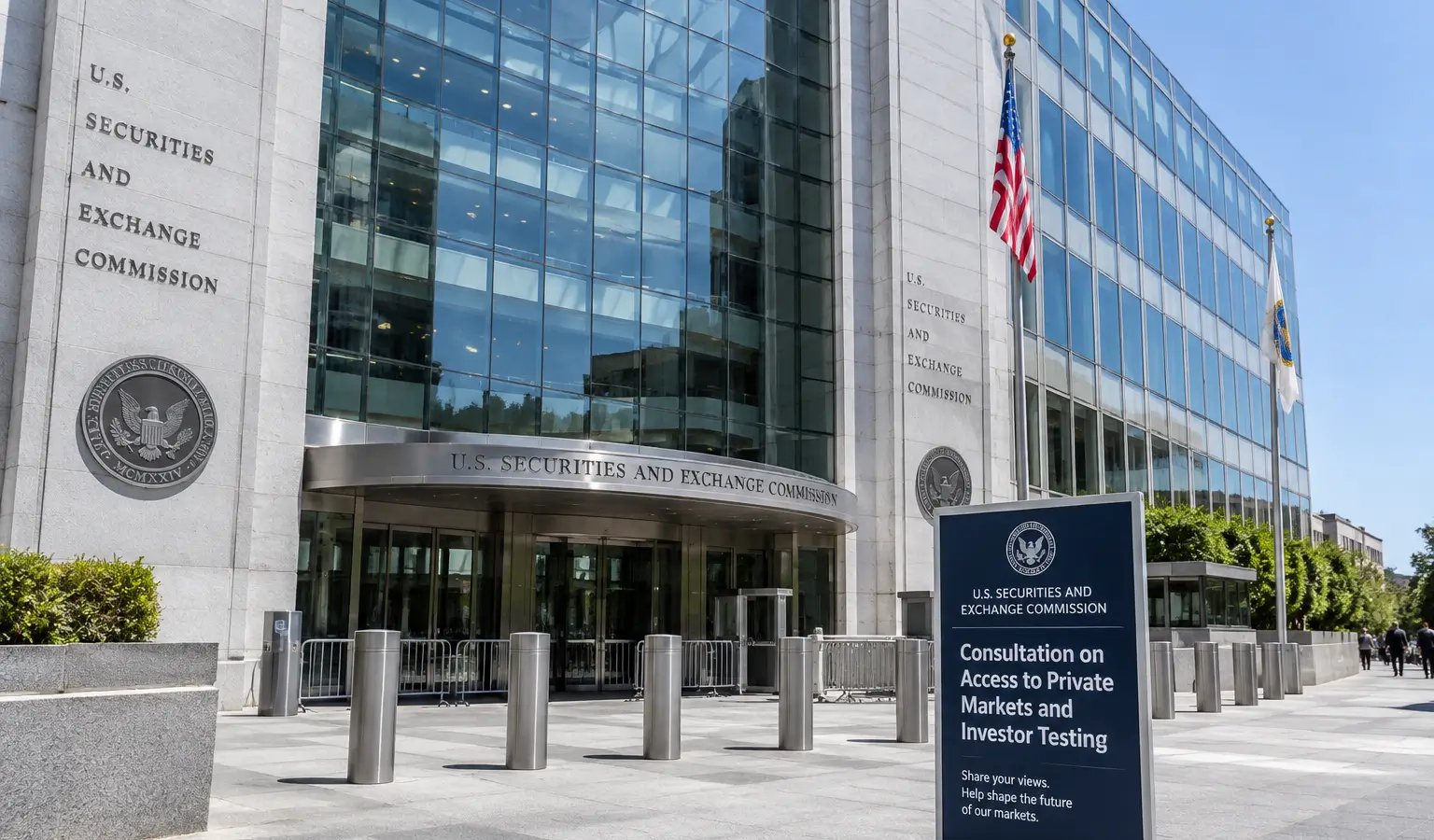
- The consultation runs through December 4, while the SEC is also looking at whether professional credentials like CPA, CFA, and CFP should automatically be enough.
The SEC is considering an exam that could give more Americans access to private companies and private funds. Right now, wealth mostly determines who counts as an accredited investor, but that system could shift to a test that people age 18 and up can take.
What the Exam Would Include
According to the SEC, FINRA, the industry group that licenses U.S. stockbrokers, would build the exam. The test would take about two hours and include around 75 multiple-choice questions. Candidates would only be able to take it in person, and the cost would likely be about $100 (€89), similar to the entry exam for broker-dealers.
Anyone who passes would keep that status for 10 years. The questions would mainly cover investment risks, financial statements, conflicts of interest, and corporate governance. The SEC is also asking whether certain professional credentials, such as CPA, CFA, and CFP, should automatically be enough to qualify for access.
Why This Is Happening Now
The debate comes at a time when private funds are raising less money. According to PitchBook, that is on track for the fifth year in a row. At the same time, institutional investors are putting less money into new funds because exits and payouts have fallen.
That makes the timing politically and market-wise relevant. With this proposal, the SEC appears to be looking for more capital formation in private markets, while regulators also want to keep investor protection in place. For European crypto readers, the bigger takeaway is that major crypto companies like Coinbase have long pointed to the growing overlap between crypto, private markets, and broader retail access. That broader shift also fits with the SEC's recent move toward tokenized stocks, which would make more traditional assets accessible through blockchain rails.
Market Reaction
Coinbase CEO Brian Armstrong called the plan a big step forward for investors who are currently shut out of private deals. He said too many people have been excluded from private markets so far. Crypto company MoonPay is already moving in that direction too: in September, the company agreed to buy North Capital, a Utah broker that handles private stock deals.
Not everyone sees an exam as the best fix. SEC Commissioner Hester Peirce supports broader rules, but according to Mayer Brown, she thinks a test still leaves the government in the role of gatekeeper. Wealth advisor Noah Damsky called the idea bad in comments to Financial Planning, saying many private-market products do not fit regular investors very well.
The public consultation runs through December 4. The proposal fits into SEC Chair Paul Atkins' broader push to make private markets more accessible to retail investors, alongside a separate plan to let more funds charge performance fees.