Zcash Team Wants to Shield ZEC Swaps From Quantum Risk
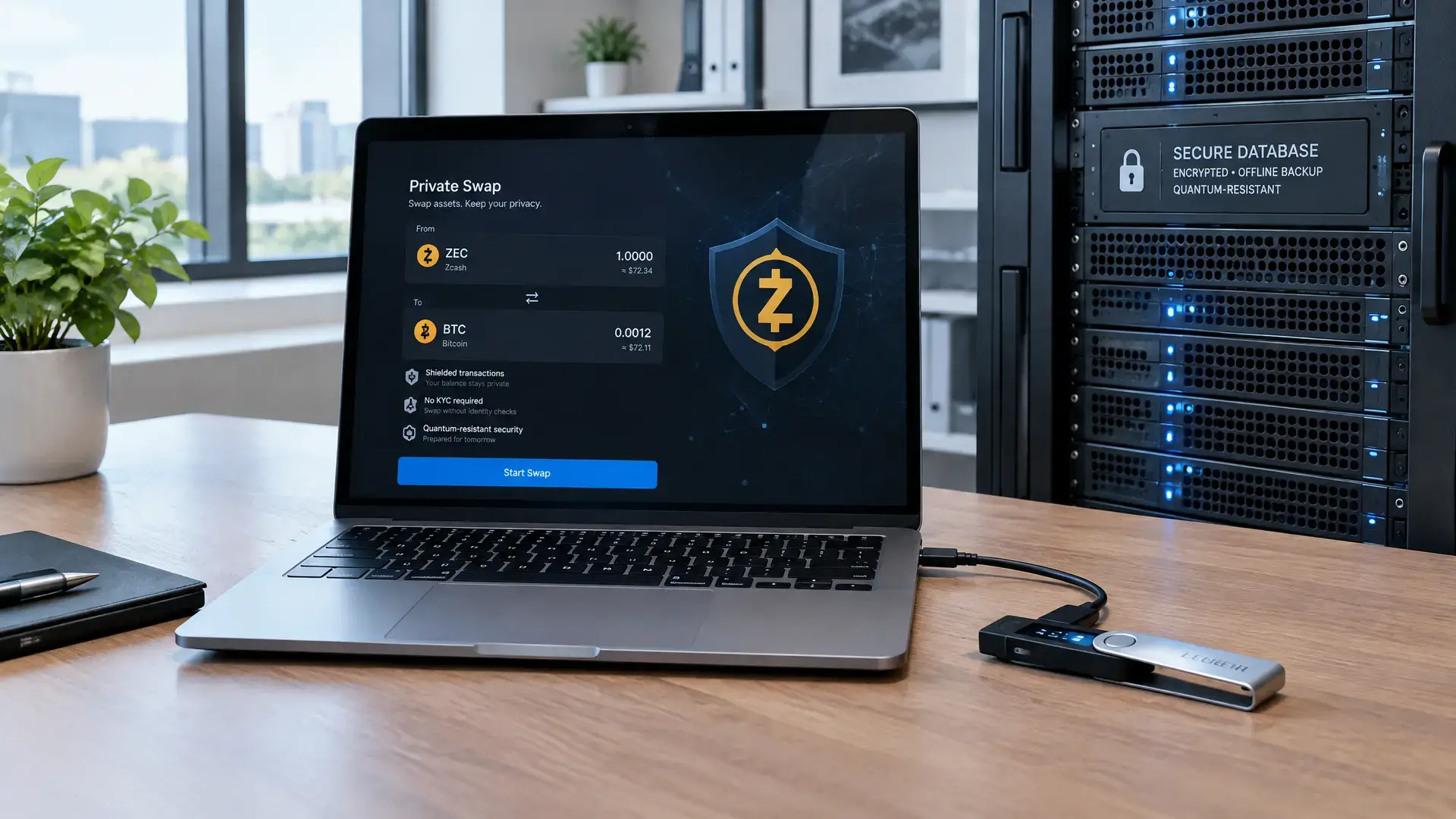
Through private information retrieval, Zakura wants to prevent ZEC swaps on NEAR Intents from being linked to payment history later. The move is meant to protect Zcash users ahead of a possible quantum risk.
Key Takeaways
- Zakura wants to give each ZEC swap through NEAR Intents its own private key to reduce a possible quantum risk.
- Without this measure, a public Zcash address could remain visible during swaps and later help reconstruct payment history.
- Zakura uses private information retrieval, and wallets built on its libraries may be able to add the feature soon, according to the team.
The developers behind Zakura, a newer version of the software that runs the Zcash network, want to give each ZEC swap through NEAR Intents its own private key. That should remove a weak spot that could one day be exploited by a quantum computer to reconstruct payment history.
Why This Is Needed
NEAR Intents lets users swap tokens between different blockchains. If someone swaps private ZEC for USDC, the service places one of that user's private Zcash addresses on NEAR's public chain so any leftover ZEC can be sent back. That address appears as soon as the deposit comes in and stays there, even if the swap goes through normally and no refund is ever needed.
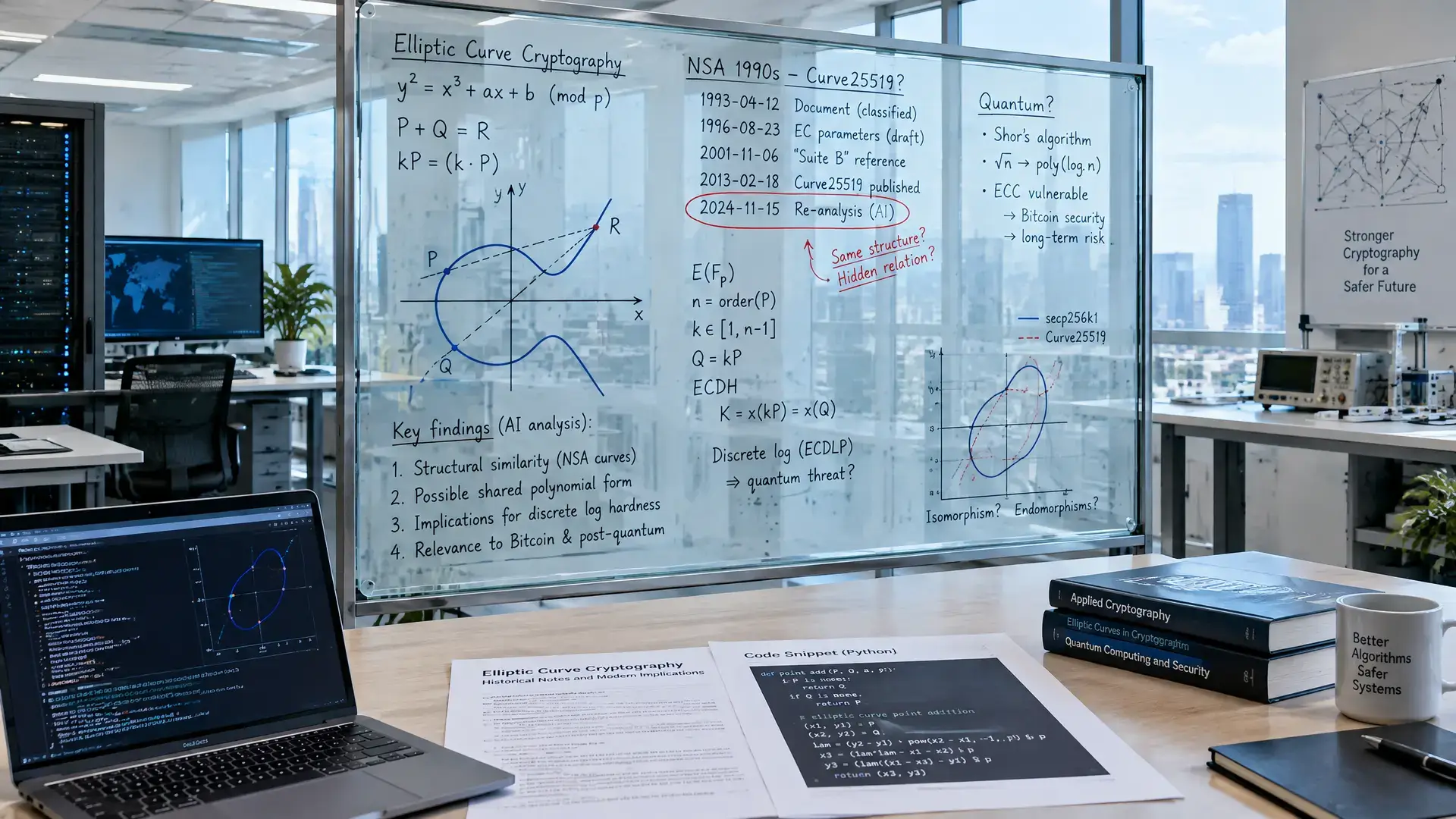
According to Zakura, that is not a problem on regular computers right now. Every Zcash address contains a public key derived from the wallet's viewing key, using a one-way form of elliptic curve math that is similar to the security used by Bitcoin and Ether wallets. But if a wallet makes hundreds of swaps, that also creates hundreds of keys, and when restoring from a backup, the wallet has to scan the entire Zcash chain with all those keys.
Zakura Chooses Private Retrieval
Zakura's solution is a database that the wallet can query privately through private information retrieval. The wallet asks where the refunds ended up, while the database answers without seeing which addresses were requested. That fits the so-called harvest now, decrypt later risk, where parties can collect data today and still decrypt it later once quantum computers are powerful enough.
Zakura says wallets running on its open-source libraries, including Vizor, can add the feature in the coming weeks. Hardware wallets would follow once their firmware supports it. No quantum computer has yet been shown to break these keys, but the timing of such machines remains uncertain, which makes this kind of precaution relevant for blockchain security. Zcash's planned quantum upgrade also shows that the industry is already preparing for that threat.
Looking Ahead to January
The move is meant to protect users sooner than the January target that Zcash developers set earlier this month for quantum-resistant payments. For European crypto followers, this is especially relevant because it shows how privacy and security in crypto, beyond price moves, are increasingly about how wallets and swaps can stay resilient against future attacks.