Pakistan Split Over Bitcoin and Islamic Law
An influential fatwa bans Bitcoin and stablecoins, but regulator PVARA wants to separate speculative tokens from asset-backed ones.
Key Takeaways
- Jamia Darul Uloom Karachi issued a fatwa on June 10 banning Bitcoin, stablecoins, and other digital tokens under Shariah.
- Saylani Welfare International Trust is standing by an earlier fatwa that says crypto can be allowed under certain conditions.
- Pakistan's regulator wants speculative tokens and asset-backed tokens reviewed separately, with a focus on tangible backing.
Pakistan is locked in a sharp debate over whether Bitcoin and other crypto assets fit within Shariah. The argument is not only about religious interpretation, but also about Pakistan's wider effort to take a bigger role in digital assets and the crypto market.
Fatwa Sets the Tone
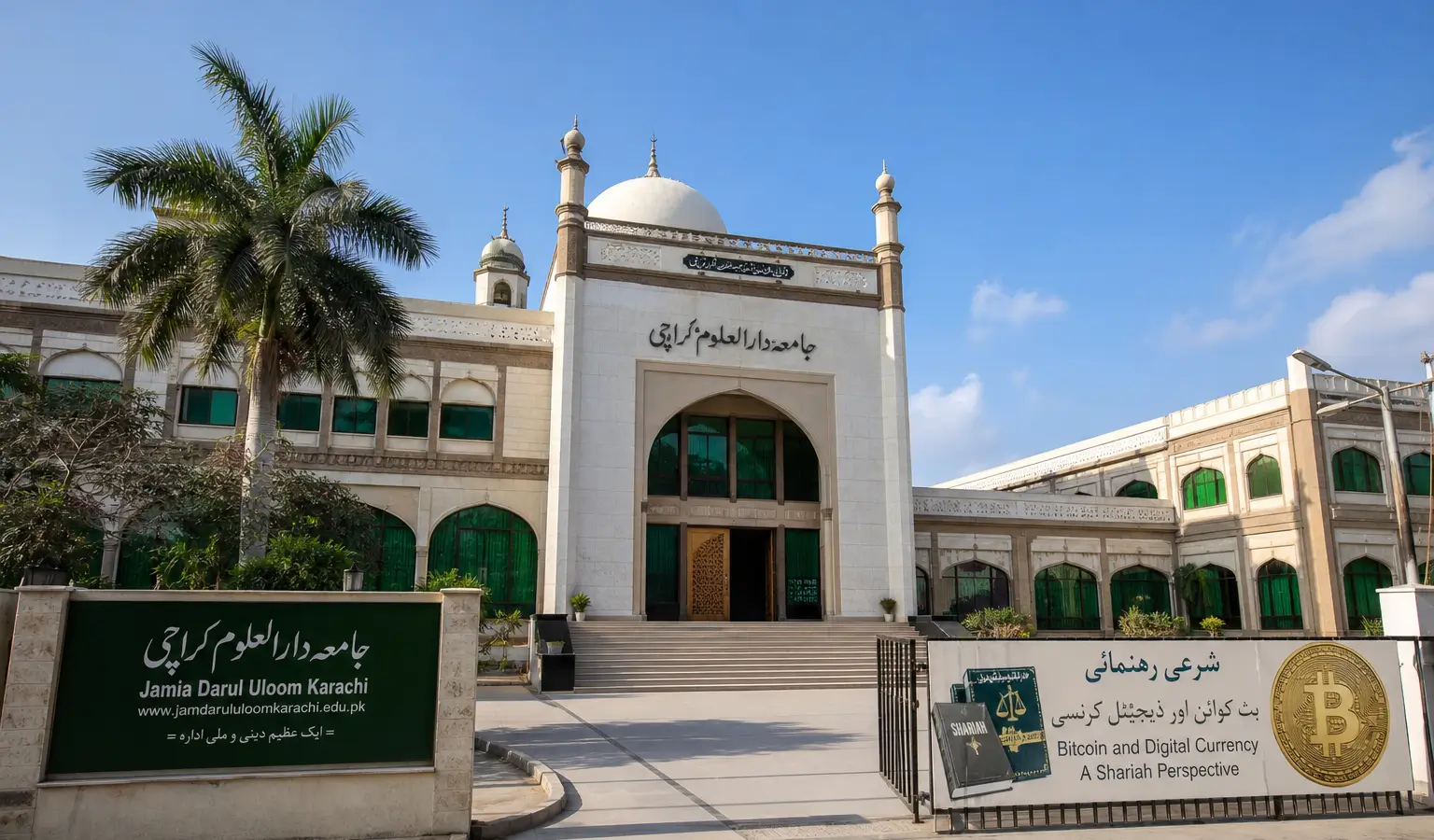
On June 10, Jamia Darul Uloom Karachi, a prominent religious institution, issued a fatwa banning purchases with Bitcoin, stablecoins, and other digital tokens. The scholars behind the ruling, including Mufti Taqi Usmani, described those assets as "nothing more than recording fictional numbers in an account."
The ruling carries real influence because Usmani also serves as the Shariah advisor to Meezan Bank, one of Pakistan's largest banks. In his view, crypto does not qualify as real wealth, or maal, under Islamic law. At the same time, the reaction highlights how unsettled the issue remains: the Accounting and Auditing Organization for Islamic Financial Institutions has not issued a final standard for cryptocurrency, leaving scholars and institutions to reach different conclusions.
A Counterpoint From Karachi
Not everyone in the religious community agrees. Saylani Welfare International Trust, one of Pakistan's biggest charities, is backing an earlier fatwa from chief mufti Wasim Akhtar Al-Madani. That view says crypto is a recognized right as long as transactions stay within the law and do not create legal issues.
Saylani has now taken that position to the Council of Islamic Ideology and the State Bank of Pakistan. The broader debate is still unresolved outside Pakistan as well: legal clarity around tokenized assets keeps surfacing, which shows the core question is still open.
PVARA Wants Nuance
Pakistan's regulator is not treating the issue as a simple yes-or-no question. Bilal bin Saqib, chairman of the Pakistan Virtual Assets Regulatory Authority, asked Jamia Darul Uloom to assess speculative tokens and asset-backed tokens separately. He pointed to sukuk on the blockchain, gold-backed tokens, and fully backed stablecoins, saying these instruments offer a claim on something tangible.
That distinction matters more now that tokenized real-world assets have climbed above $60 billion (€52.3 billion) and stablecoins are posting record volumes. For European crypto readers, the situation shows how religious review, regulation, and product design are increasingly overlapping. In markets where Shariah compliance matters, whether a token is actually backed by something can matter just as much as the technology behind it.