Poolin Files for Chapter 11 After Bitcoin Mining Pool Collapse
Poolin and two U.S. subsidiaries are filing for Chapter 11 in New Jersey, with about $173 million in debt. A bid for West Texas sites is set to sell off the remaining assets.
Key Takeaways
- Bitcoin miner Poolin and two U.S. subsidiaries filed for Chapter 11 bankruptcy in New Jersey with an estimated $173 million in debt.
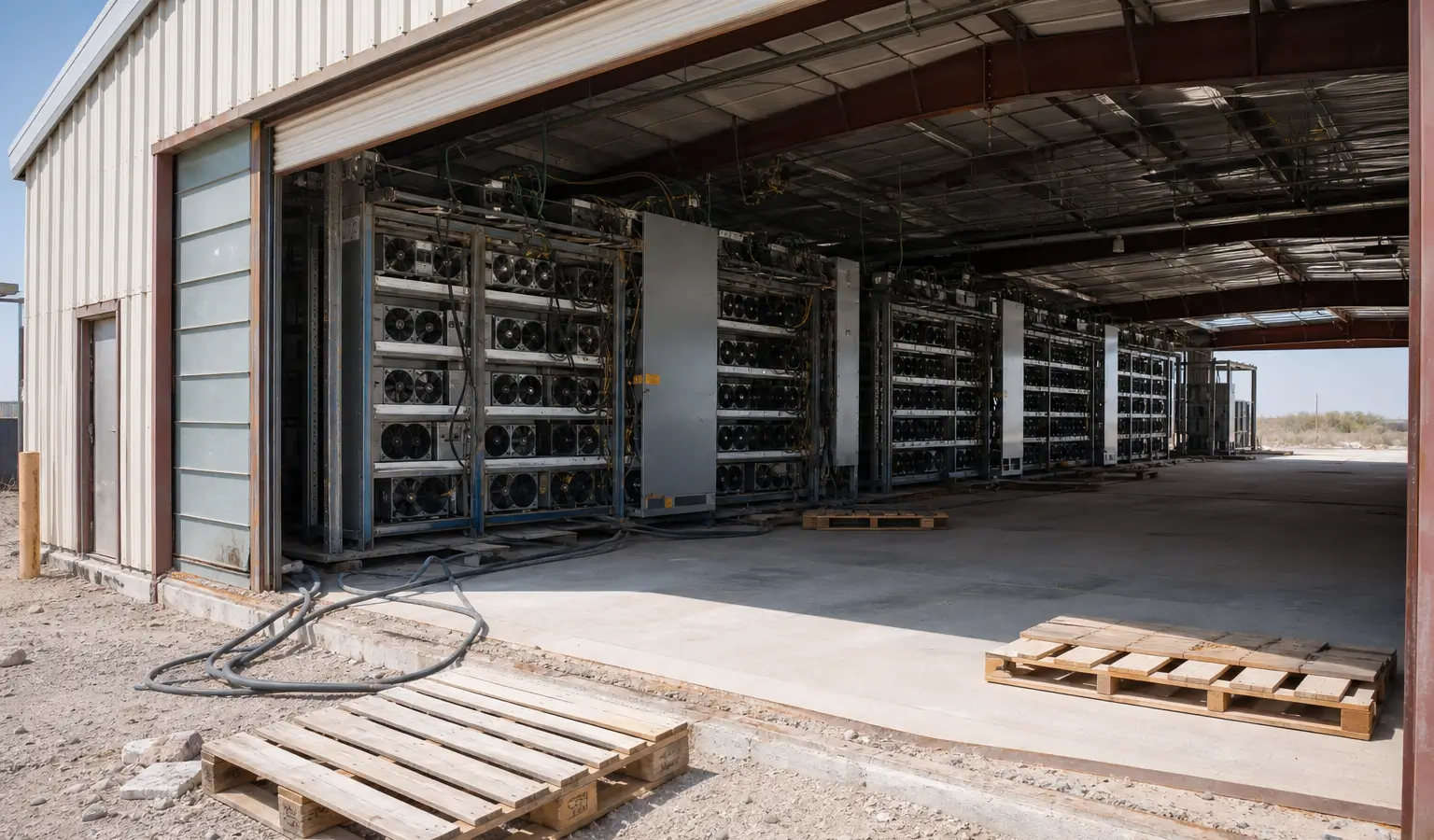
- Thor CALAP LLC has bid $52 million for two mining sites in West Texas, which make up most of Poolin's remaining assets.
- Poolin's decline started in 2022 with withdrawal freezes, liquidity problems, and IOU tokens issued to about 11,700 customers.
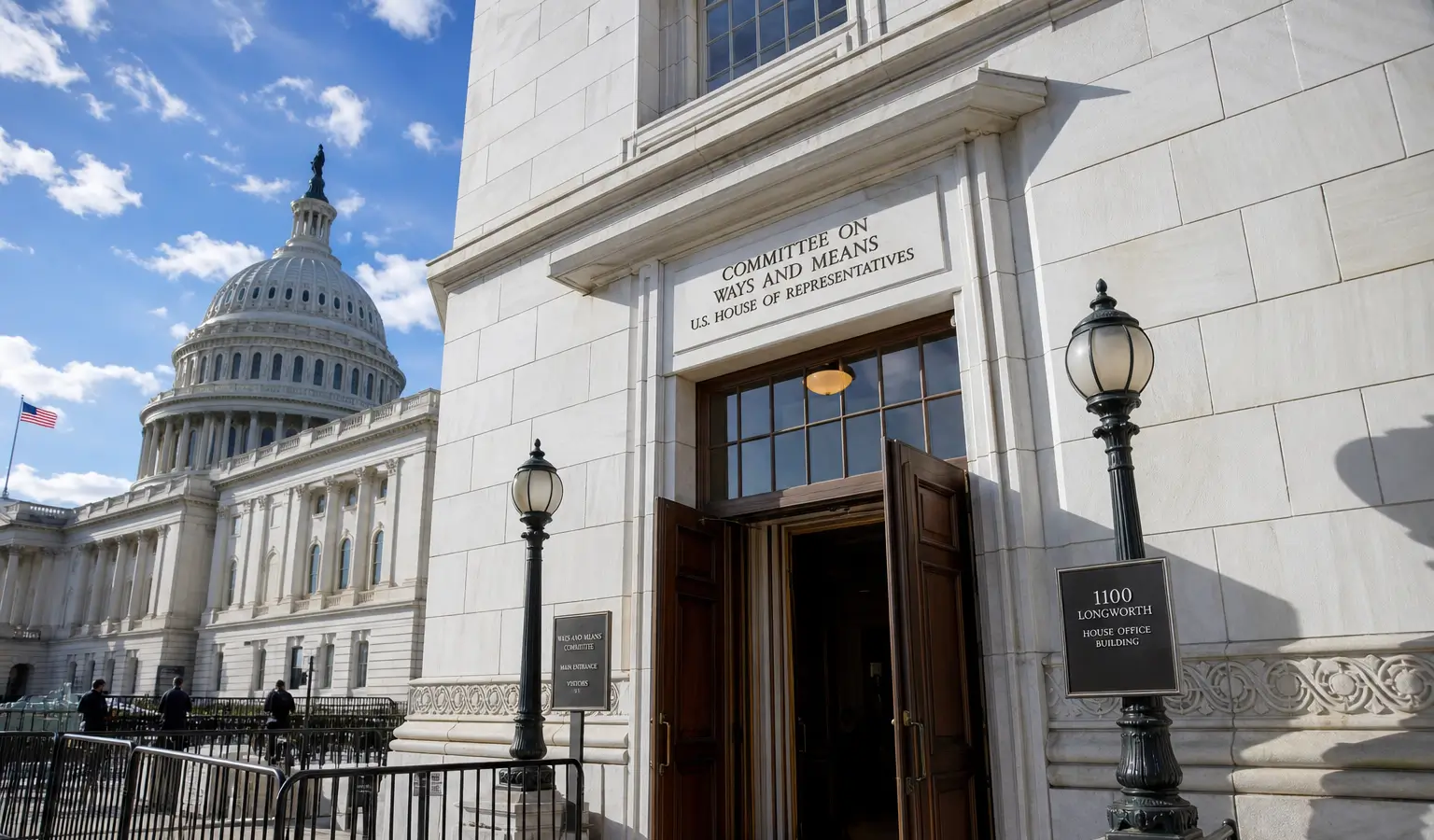
Bitcoin miner Poolin, together with its two U.S. subsidiaries Lonestar Dream and Lonestar Taproot, has filed for bankruptcy protection. The Singapore-based company, once among the largest bitcoin mining pools in the world, filed for Chapter 11 in New Jersey with roughly $173 million (€152 million) in debt.
Sale of Texas Sites
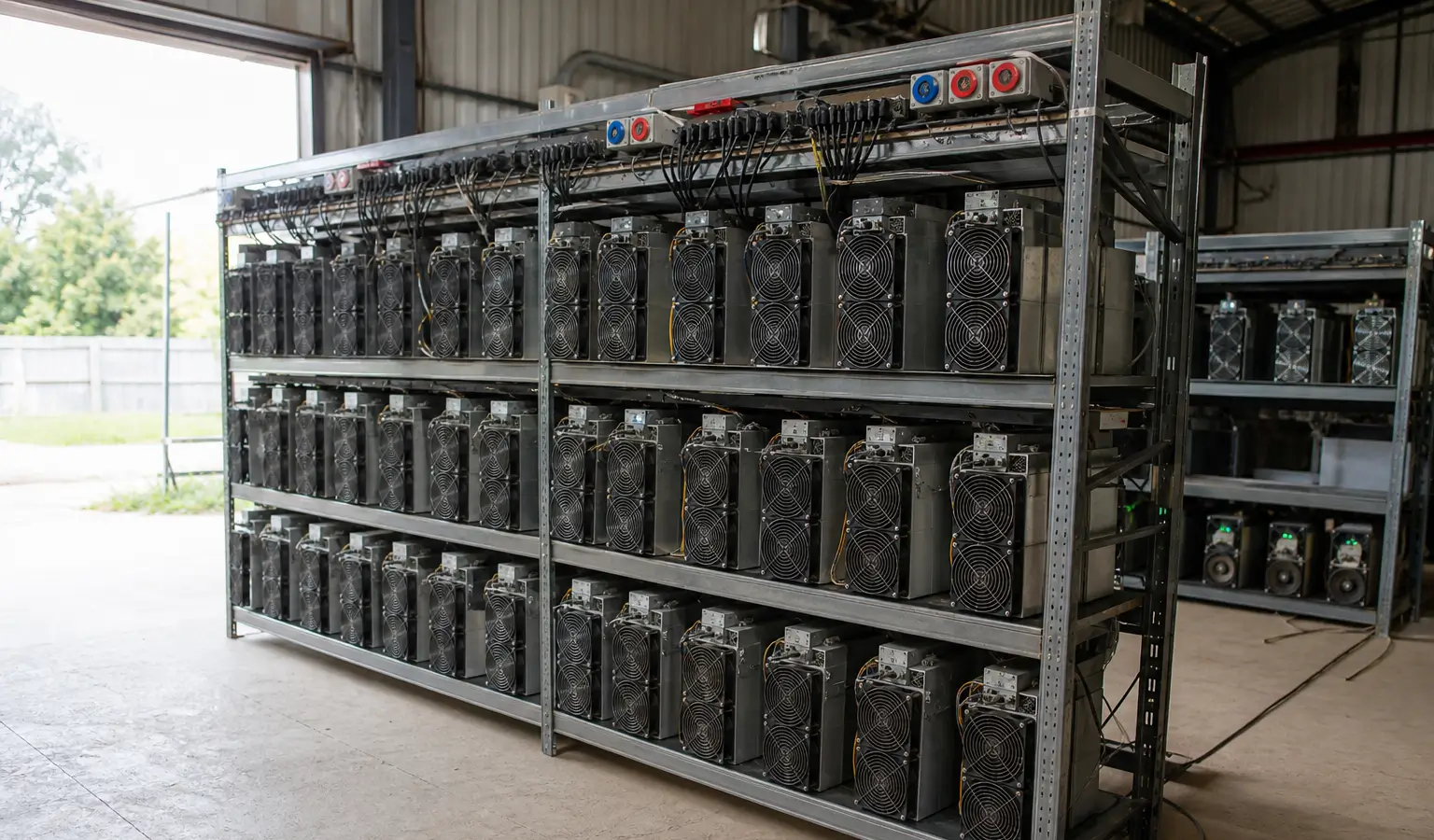
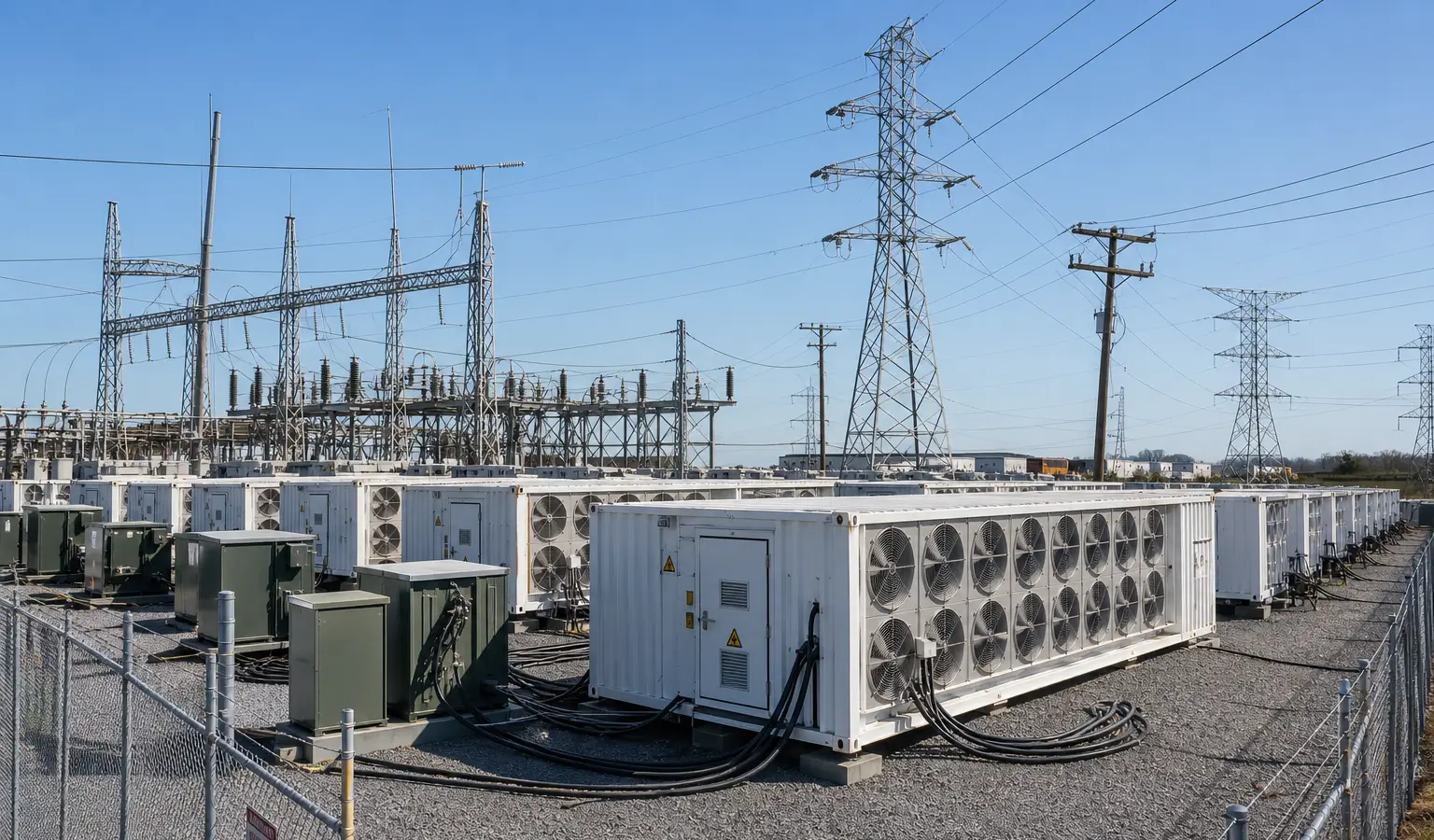
A $52 million (€45.6 million) offer from Thor CALAP LLC is now on the table for two mining sites in West Texas. The court filings say those properties account for most of what remains of Poolin's assets. The proposed sale underscores how sharply the company has unraveled since it was estimated to control 18% to 20% of global Bitcoin hashrate in 2019.
At the time, Poolin had become a major force in mining thanks to heavy infrastructure spending and a series of strategic partnerships. Today, its estimated hashrate has effectively been at zero for years.
Confidence Disappeared in 2022
Signs of trouble surfaced in 2022, when Telegram users began reporting delayed withdrawals. Co-founder Kevin Pan later said in a WeChat message that the company was facing liquidity issues, while also insisting that customer funds were safe.
Soon after, Poolin Wallet suspended all withdrawals in September 2022. The company then distributed about $163.7 million (€144 million) in IOU tokens to roughly 11,700 customers, a step that bought time but severely damaged confidence in the platform.
A Signal for Miners in Europe
The case highlights how hard the bitcoin mining industry has been hit by higher energy costs, tighter regulation, and market swings. For European readers, that is especially relevant because large miners are increasingly forced to choose between refinancing, selling equipment, or shutting down altogether. In many cases, infrastructure work such as grid access and power contracts matters just as much as Bitcoin's price. It also reflects a wider shift, with miners increasingly operating like infrastructure businesses rather than simple Bitcoin proxies, and investors no longer viewing bitcoin miners as just pure Bitcoin proxies.