Senate Can't Block Trump From Pardoning SBF
The Senate's unanimous resolution against a pardon for the former FTX chief is mostly symbolic: the U.S. Constitution leaves presidential clemency almost entirely in the White House's hands.
Key Takeaways
- The U.S. Senate unanimously passed a nonbinding resolution against a pardon for Sam Bankman-Fried.
- Legally, the Senate cannot block a possible pardon from Donald Trump.
- The Constitution gives the president almost complete authority to grant federal pardons.
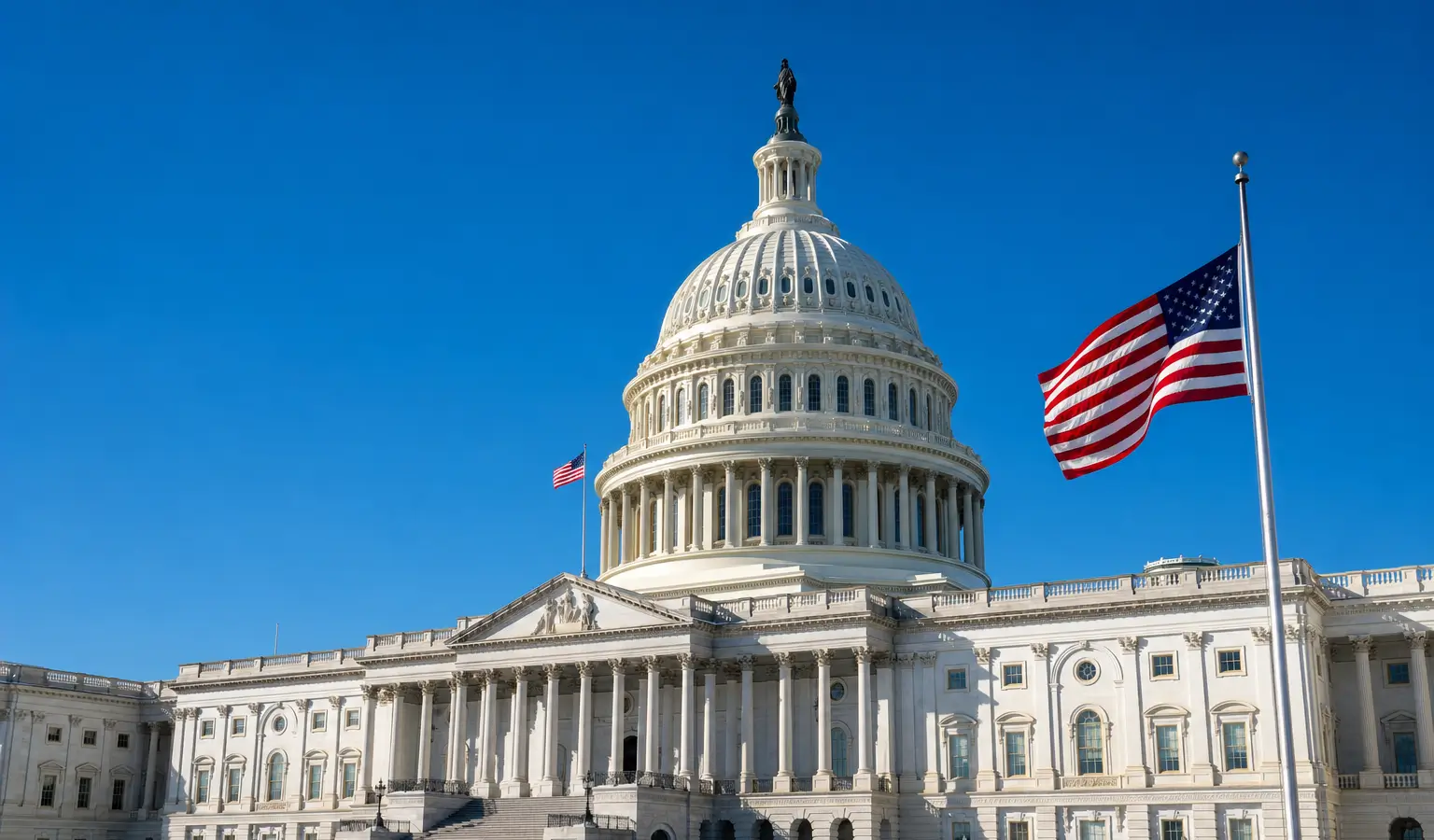
The U.S. Senate has approved a resolution opposing a pardon for Sam Bankman-Fried, but the vote does not change the legal picture. If Donald Trump chooses to pardon the former FTX chief, the Senate has no power to stop it. Under the Constitution, the president has broad authority in this area, and a nonbinding resolution does not alter that.
Senate Sends a Political Signal
The resolution, S. Res. 772, passed unanimously after being introduced by Cynthia Lummis and Ruben Gallego. Both senators oversee the digital assets subcommittee in the Senate Banking Committee. The measure says Bankman-Fried should not receive a pardon or any sentence reduction under any circumstances.
The vote came after Bankman-Fried formally asked for a pardon in 2026 through the Office of the Pardon Attorney at the U.S. Department of Justice. That request is still being reviewed. Lummis said the FTX founder took billions from customers to fund an extravagant lifestyle, then turned around and asked for a pardon to escape accountability.
Why the Law Leaves Little Room
The legal foundation comes from Article II, Section 2, Clause 1 of the U.S. Constitution. That clause gives the president the power to issue pardons for federal crimes, except in impeachment cases. The Supreme Court has consistently read that authority broadly and has said Congress cannot narrow it.
One of the most frequently cited examples is Ex parte Garland from 1866, where the court said Congress cannot limit the reach of a pardon or carve out groups of offenders from that power. A newer effort to put political limits on the authority shows how difficult that is: in 2026, Representative Don Bacon introduced the Pardon Integrity Act, which would have given Congress more oversight of presidential pardons, but proposals like that face major constitutional barriers.
What This Means for the Crypto Sector
For European crypto readers, the main takeaway is that the political and legal fallout from major crypto legislation in the Senate still has real ripple effects. Trump said in January that he had no plans to pardon Bankman-Fried, but he has already granted clemency to crypto figures including Changpeng Zhao and Ross Ulbricht. In the end, the decision rests with the White House, while the Senate is mostly making a political statement.