Trump's Crypto Income Puts Clarity Act Talks Under Pressure
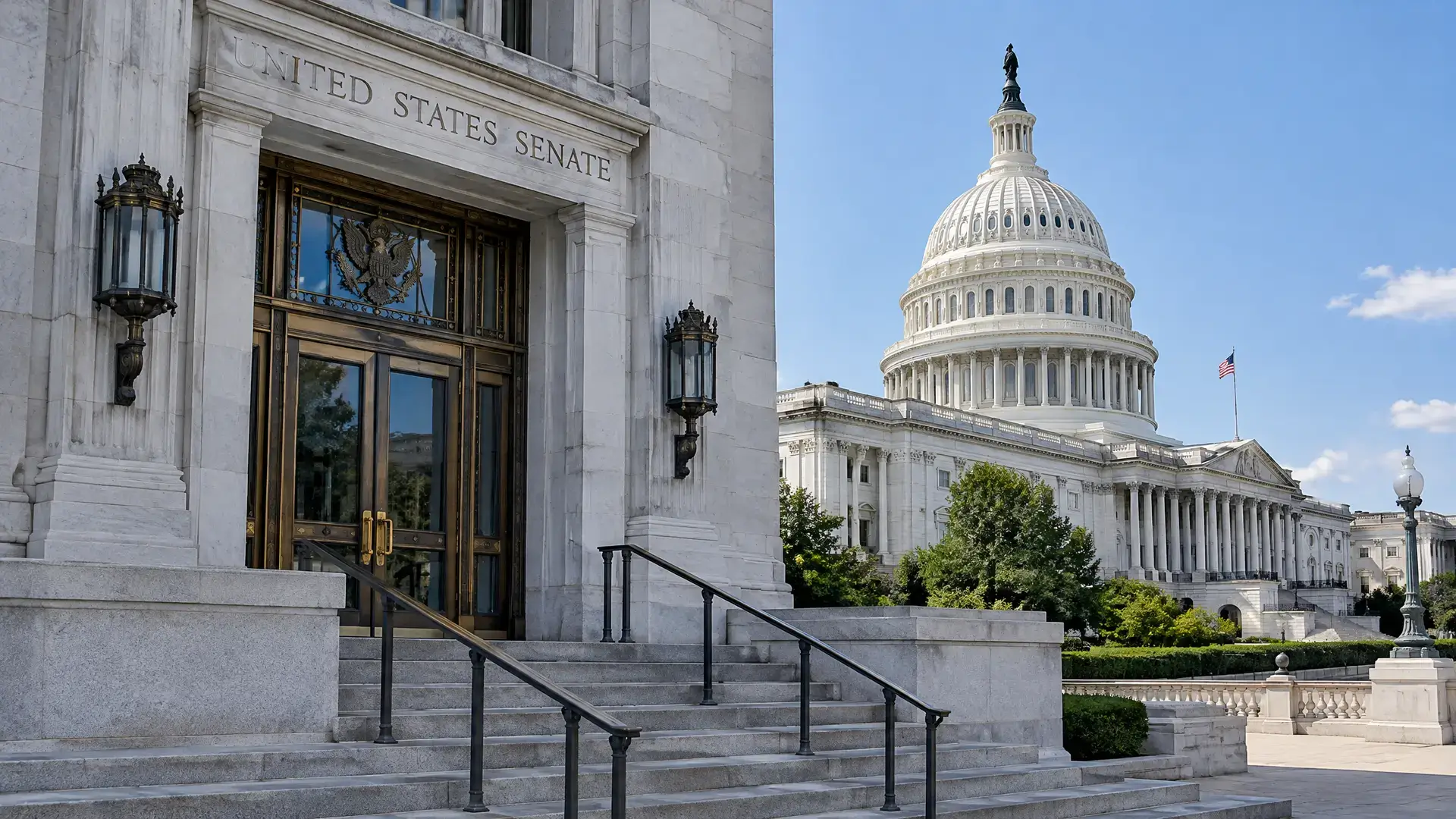
Democratic senators want to attach stricter ethics rules to the market structure bill as Trump's crypto income takes center stage in Washington. The Clarity Act is meant to spell out how the SEC and CFTC divide oversight.
Key Takeaways
- Trump's report of about $1.4 billion in extra wealth from crypto is driving the debate around the U.S. Clarity Act.
- Democratic senators want tougher ethics rules, including bans on presidents and their families owning or issuing digital assets.
- The Clarity Act is designed to define SEC and CFTC authority, but Democrats are needed in the Senate to reach the 60-vote threshold.
President Donald Trump's claim that his wealth rose by about $1.4 billion (€1.2 billion) thanks to crypto is now hanging over the Washington debate on the American Clarity Act. Democratic senators are pushing the market structure bill to do more than clarify the rules for crypto. They want it to draw a hard ethical line for top officials who have a financial stake in the industry they help oversee.
Ethics Becomes the Main Topic
A briefing circulated to Democratic Senate offices says ethics and anti-corruption advocates spent last week pressing for Trump to be cut off from any further gains tied to the sector. They want the ethics section of the Digital Asset Market Clarity Act to reach beyond the president and include family members too, with ownership bans and tighter disclosure requirements.
Senator Kirsten Gillibrand said Trump's largest single source of income in 2025, $636 million (€557 million), came from issuing the memecoin that bore his name. She and other Democrats want presidents barred from issuing or promoting digital assets. Gillibrand argued that self-enrichment should not get in the way of what she sees as a chance to strengthen consumer protections and crack down harder on illicit money flows.
Big Bill, Big Stakes
The Clarity Act is not just a symbolic bill. At its core, it is meant to decide when a digital asset falls under the SEC and when it falls under the CFTC, while also adding consumer protections such as requiring custodians to keep customer funds separate. That distinction matters to market participants because the U.S. regulatory setup has left the industry in limbo for years.
The bill already cleared the House with wide support in July 2025, passing 294 to 134. The Senate is a tougher lift: Democrats are needed to reach the 60-vote threshold, and that is where the ethics language is creating the most resistance right now.
For European Readers and U.S. Rules
For European crypto readers, the issue matters because the U.S. still sets the pace for major market structure rules. If Washington starts tying stricter standards to market access and oversight, that could shape how global crypto firms approach governance, disclosure, and political conflicts of interest. It also shows that U.S. crypto regulation is no longer just about supervision. It is increasingly becoming a debate about integrity and conflicts of interest.
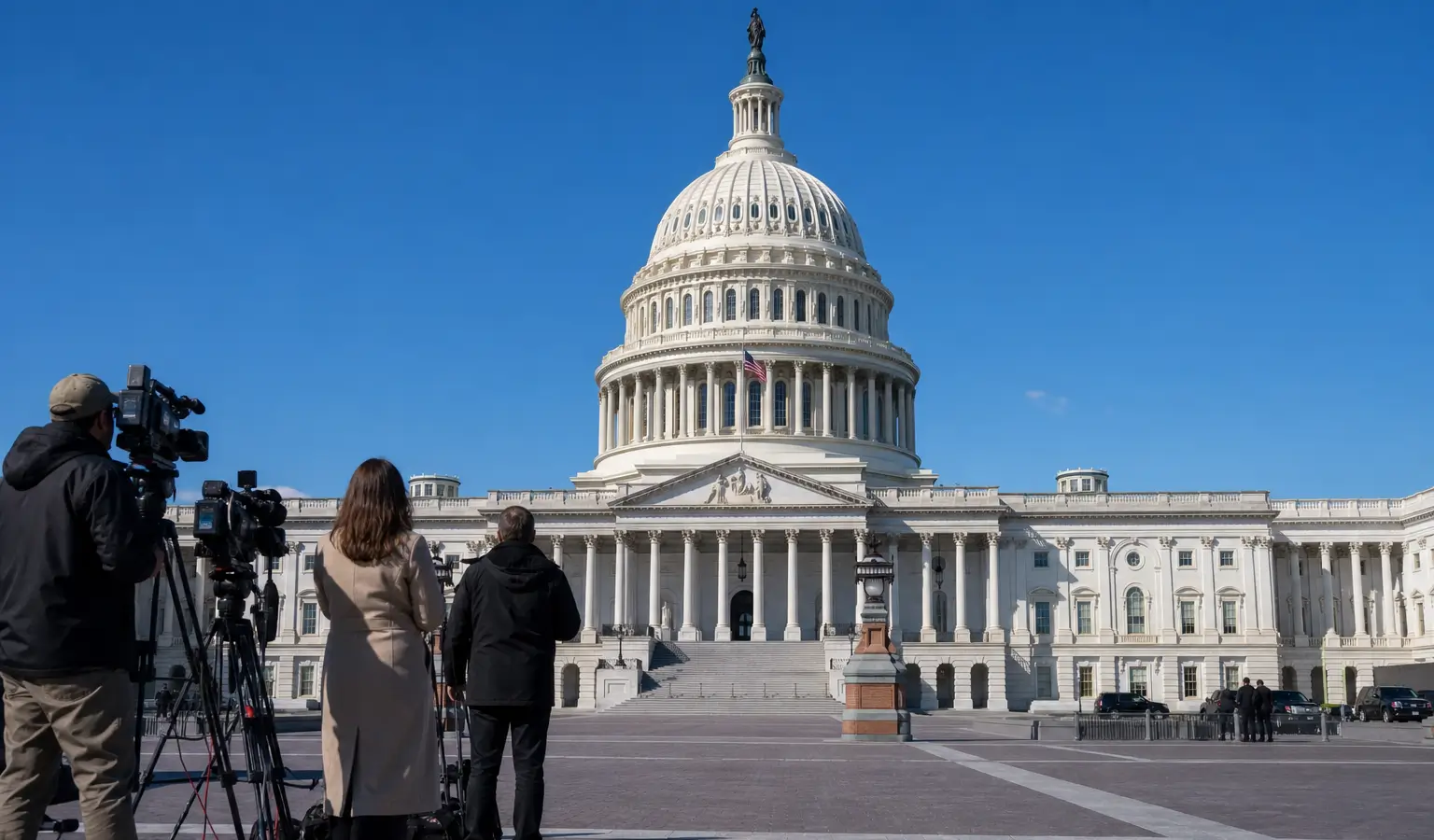
On Monday, several Democratic senators held a press conference to lay out their opposition to the Clarity Act. Senator Chris Murphy joined them, along with Chris Van Hollen and Jeff Merkley, who say the bill is not strong enough on what they view as Trump's corrupt crypto arrangements. On the Republican side, Senator Cynthia Lummis voiced support, while a White House crypto adviser said Monday was a critical week for the bill. The political pressure around the legislation has been building for some time: the Clarity Act has been approaching a decisive Senate moment for days, and the ethics provisions remain one of the biggest sticking points.