Bear market
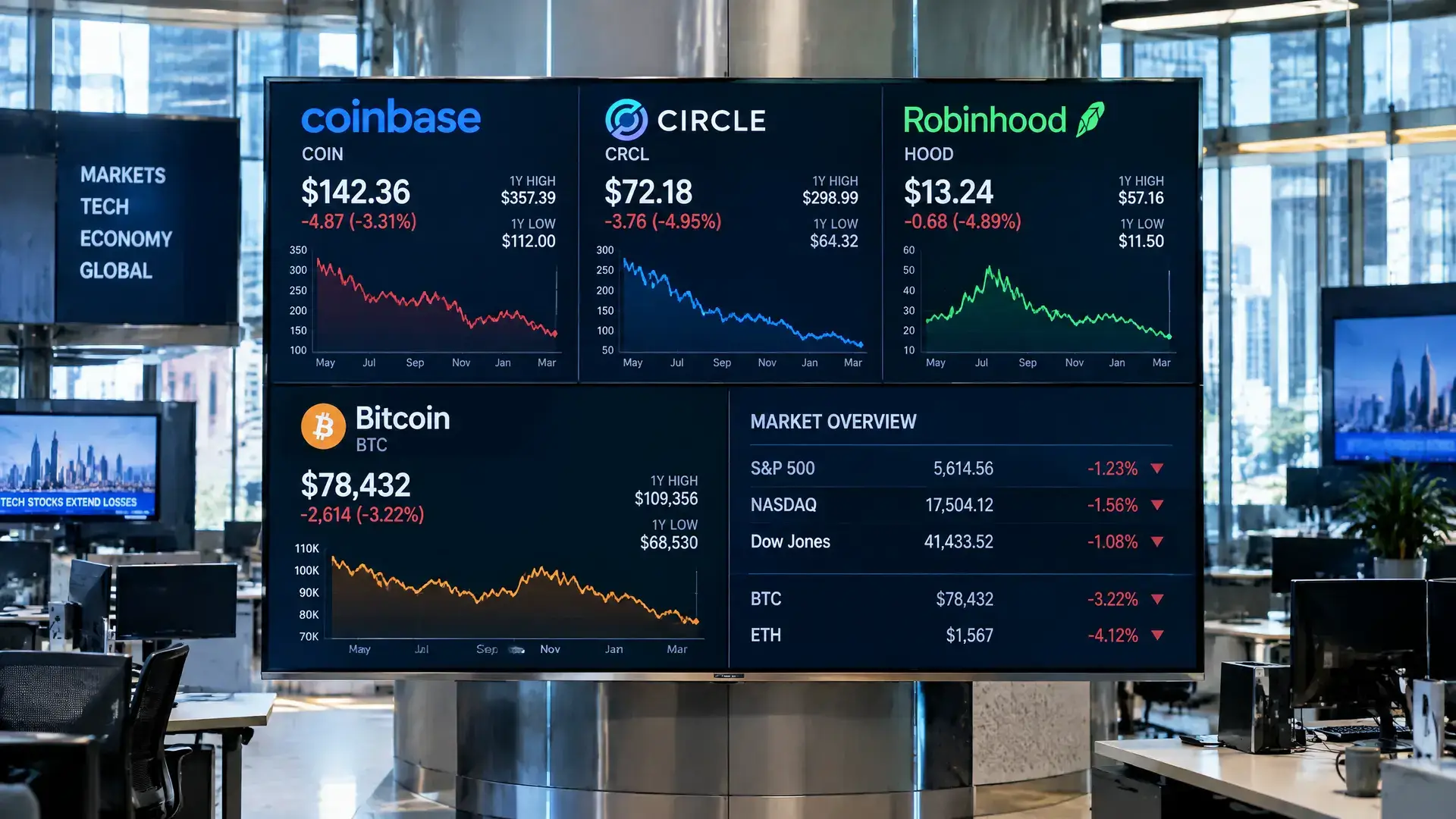
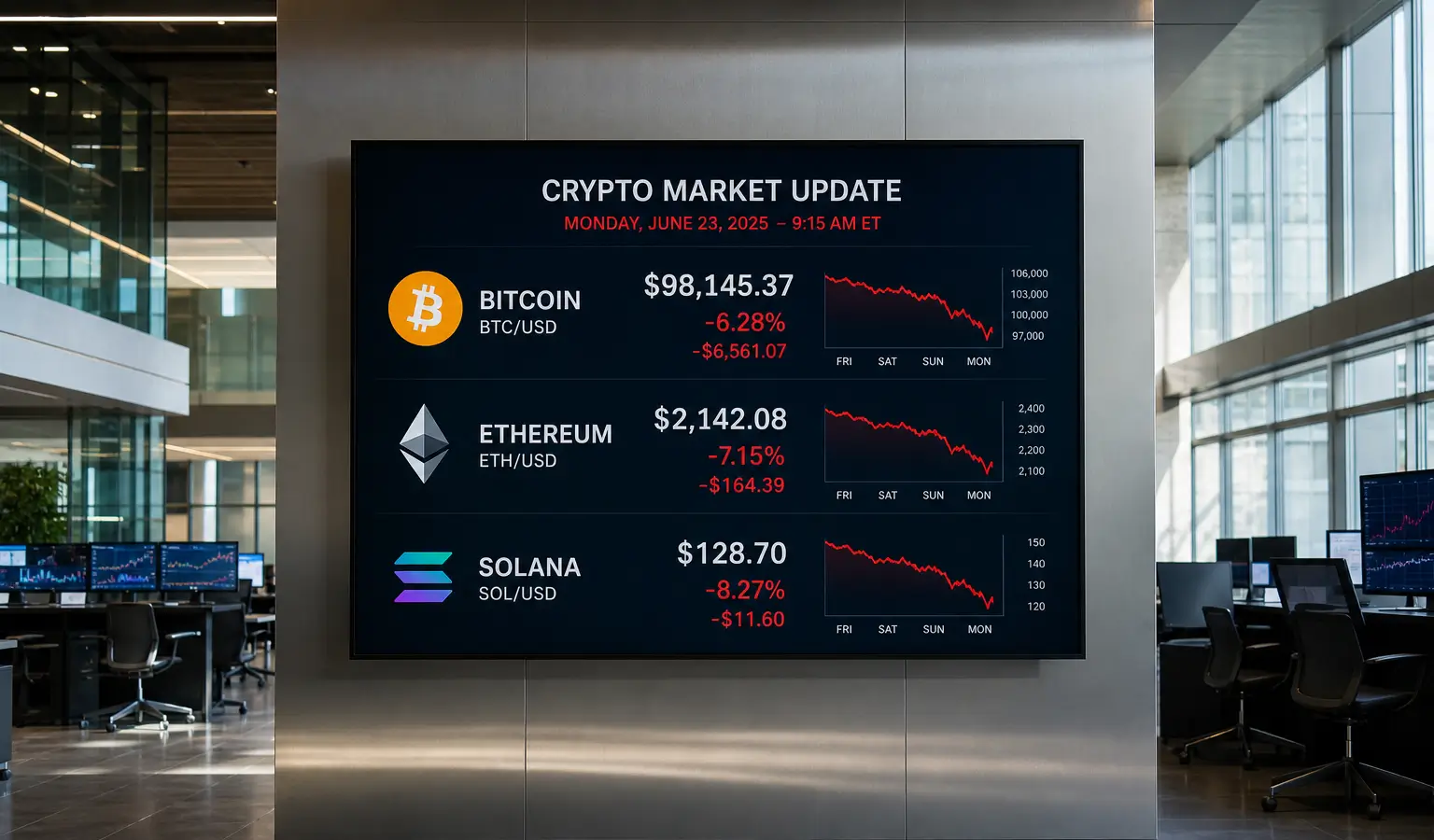
A bear market, also known as a bearish market, is an extended period when cryptocurrency prices fall. Investors are often pessimistic and expect prices to keep dropping.
What is a bear market?
A bear market is a period when the crypto market is generally trending downward. A market is often considered a bear market when prices have fallen by 20% or more from a previous peak. However, this isn’t a fixed rule, and the length of the decline also matters.
During a bear market, investors often have less confidence in the market. Fear and uncertainty can lead people to sell their cryptocurrencies, while others hold off on buying. This can increase selling pressure and push prices down further.
The name refers to a bear swiping its claws downward. The opposite is a bull market, when prices rise over an extended period.
An example of a bear market
Suppose the price of Bitcoin falls from €80,000 to €50,000. That’s a 37.5% drop. Many investors become uncertain and decide to sell their Bitcoin to avoid further losses.
As selling pressure increases, the price may fall further. Other cryptocurrencies may also be swept up in the negative sentiment. If this downward trend continues for an extended period, it’s considered a bear market.
Why does a bear market matter in crypto?
A bear market matters because it says a lot about investor confidence and expectations. During a bear market, prices of many cryptocurrencies fall, and interest in crypto often declines. This can lead to lower trading volumes, fewer investments, and financial problems for some crypto projects.
That’s why bear markets come up regularly in crypto news. Analysts try to determine whether the market has entered a bear market, what developments are causing prices to fall, and when the market might recover. They pay close attention to Bitcoin’s price in particular because Bitcoin is the largest cryptocurrency, and sharp price drops often affect the rest of the crypto market.
However, a bear market doesn’t mean that all cryptocurrencies keep falling the entire time. Prices can rise temporarily even during a bear market. When the downward trend eventually turns into a prolonged rise, a bull market may begin.